Many drivers notice that their car travels fewer kilometers on the same amount of fuel once winter arrives. The change is real and is caused by several mechanical and physical factors that affect the engine, tires and overall efficiency of the vehicle in cold weather.
Lower temperatures make it harder for the engine and its fluids to reach their ideal operating conditions. At the same time, denser air, lower tire pressure and increased electrical demand all require additional energy. The effect becomes especially noticeable during short journeys when the vehicle spends much of the trip warming up.
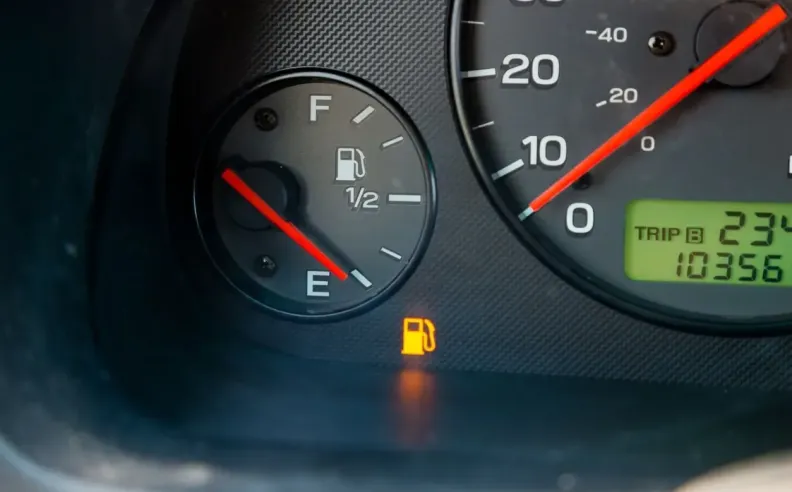
Internal combustion engines are designed to operate most efficiently once they reach their normal operating temperature. In winter, reaching that temperature takes longer
During a cold start, the engine management system may use more fuel while the engine warms up and combustion stabilizes. This period of reduced efficiency can account for a significant portion of fuel consumption during short trips.
Engine oil and transmission fluid can also become more viscous at low temperatures. Until they warm up, the engine and drivetrain have to overcome greater internal resistance.
This is one reason frequent short winter journeys can have a much greater effect on fuel economy than longer drives. The engine may spend most of the journey below its most efficient operating temperature.
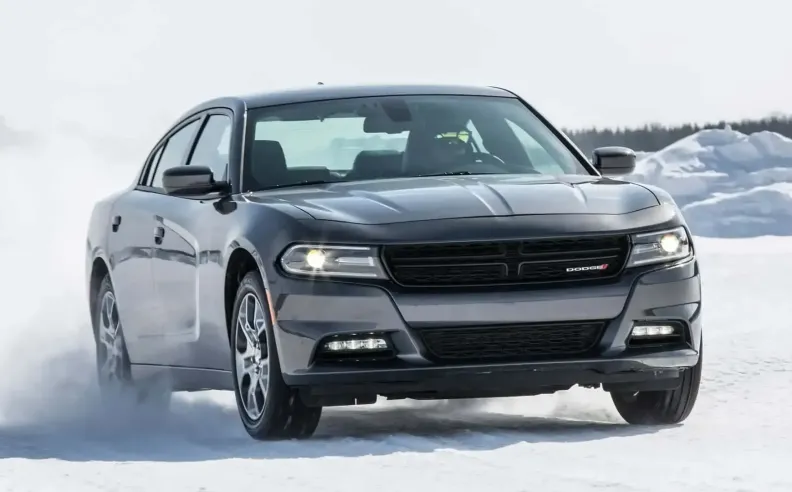
The engine is not the only part of the vehicle affected by falling temperatures.
Cold air is denser than warm air. At higher speeds, this means the vehicle must push through slightly greater aerodynamic resistance, requiring more energy to maintain speed.
Tire pressure can also decrease as temperatures fall. When tires are underinflated, more of the tire contacts the road and rolling resistance increases. The engine then has to work harder to move the vehicle.
Checking tire pressure regularly during winter is therefore important for both fuel economy and safe handling. Pressure should normally be checked when the tires are cold and adjusted according to the vehicle manufacturer recommendations.
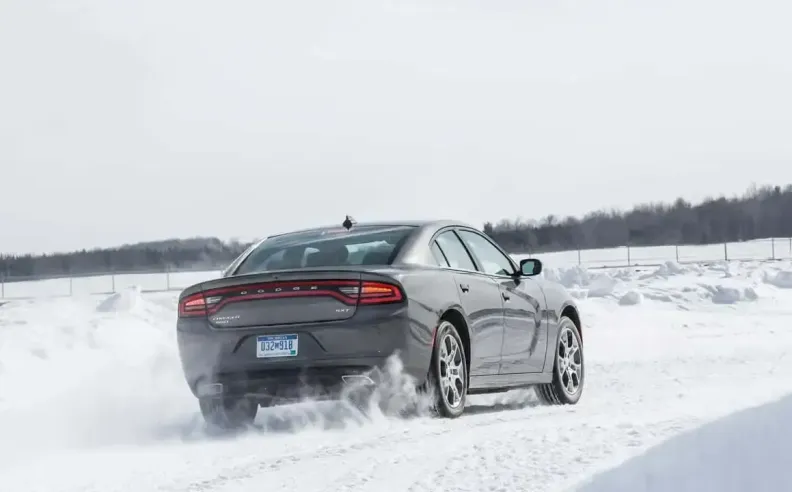
Winter also places greater demand on the electrical system.
Heated seats, window defrosters, heated mirrors, lights and ventilation systems all require electricity. In a conventional gasoline vehicle, that electricity is produced by the alternator, which is powered by the engine.
Greater electrical demand can therefore increase the workload placed on the engine and contribute to additional fuel consumption.
Cabin heating itself largely uses waste heat from the engine in many combustion vehicles, but the blower motor, heated glass and other electrical accessories still require power.
Fuel composition can also change seasonally in some markets. Winter gasoline is formulated to improve cold weather starting and operation. Differences in fuel formulation and energy content can contribute to small changes in efficiency depending on the region and fuel specification.
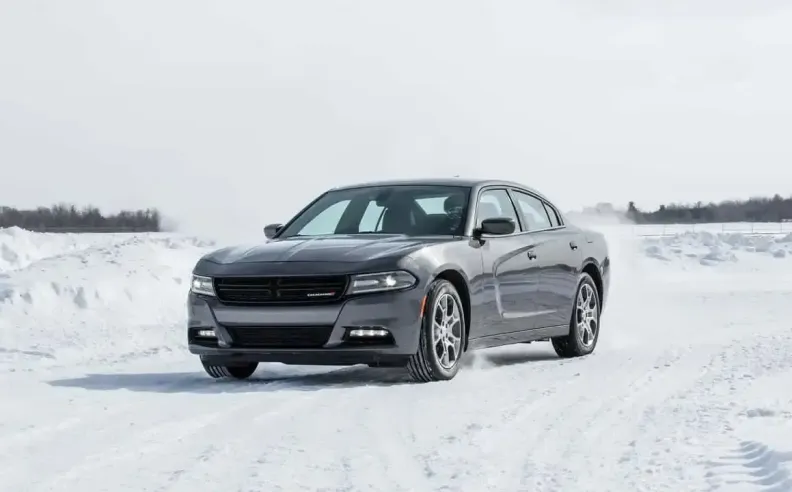
Extended idling is another common reason winter fuel consumption rises.
Leaving the engine running while the vehicle remains stationary burns fuel without adding any distance to the journey. Modern vehicles generally do not require long periods of stationary warming before normal driving.
After allowing the engine a brief period to stabilize, gentle driving usually helps the engine, transmission and other components reach operating temperature more effectively than prolonged idling.
Drivers should still follow the recommendations in their vehicle owner manual, particularly during extreme temperatures.
Regular maintenance and a few simple driving habits can reduce some of the efficiency losses caused by winter
Keeping tires at the recommended pressure is one of the easiest steps. Using the engine oil grade specified by the manufacturer is also important because the correct oil is designed to provide suitable lubrication during cold starts.
Combining several short journeys into one longer trip can help because the engine spends less time repeatedly warming from cold.
Snow and ice should also be removed from the vehicle before driving. Heavy snow adds weight, while snow left on the body can disrupt airflow and increase aerodynamic resistance.
Drivers should also avoid unnecessary idling whenever conditions allow. Starting the vehicle, allowing systems to stabilize and then driving gently can reduce wasted fuel while helping the vehicle reach its normal operating temperature.
Higher fuel consumption during winter is therefore a normal result of colder operating conditions rather than necessarily a sign of a mechanical problem. Cold engines, thicker fluids, reduced tire pressure, denser air and additional electrical demands all contribute. Good maintenance and sensible winter driving habits can limit these losses and help the vehicle remain as efficient as possible throughout the colder months.

Started my career in Automotive Journalism in 2015. Even though I'm a pharmacist, hanging around cars all the time has created a passion for the automotive industry since day 1.


 SHARE
SHARE