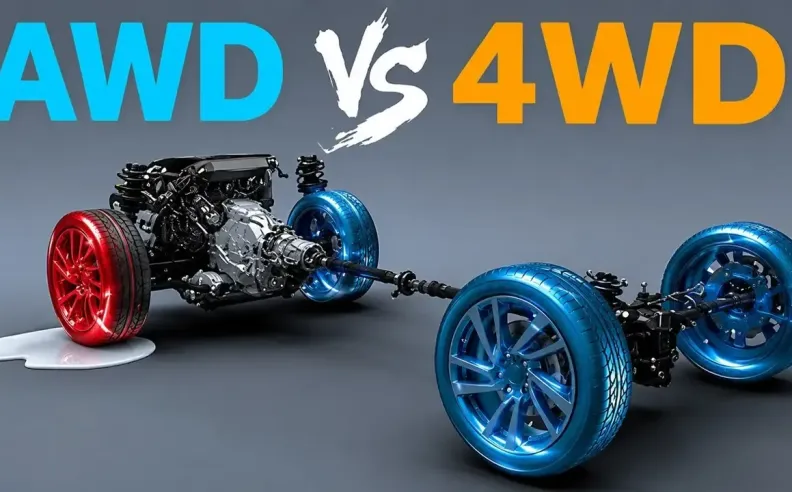
AWD and 4WD are often used as if they describe exactly the same technology. Both systems can send power to all four wheels, but the important difference is not simply how many wheels receive power.
What really separates them is how torque reaches those wheels, how much control the driver has over the system, and what type of driving the hardware is designed to handle.
For everyday roads, changing weather and slippery surfaces, AWD usually focuses on automatic traction management. Traditional 4WD systems place greater emphasis on mechanical capability for difficult terrain.
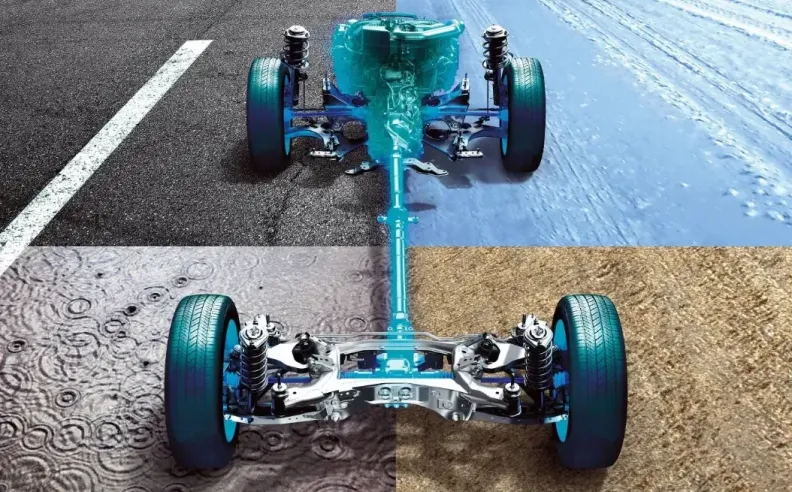
An AWD system is generally designed to work automatically without requiring the driver to manually engage four wheel traction.
Some systems continuously send torque to both axles, while others operate primarily through one axle and send additional power to the other when more traction is required.
Modern AWD systems monitor information from wheel speed sensors, steering inputs, throttle position and stability systems. Depending on the vehicle, a center differential, electronically controlled clutch system or electric motor can then alter how much torque reaches each axle.
This makes AWD particularly useful during rain, snow and changing road conditions because the vehicle can respond to changes in grip without requiring the driver to select a different drivetrain mode.
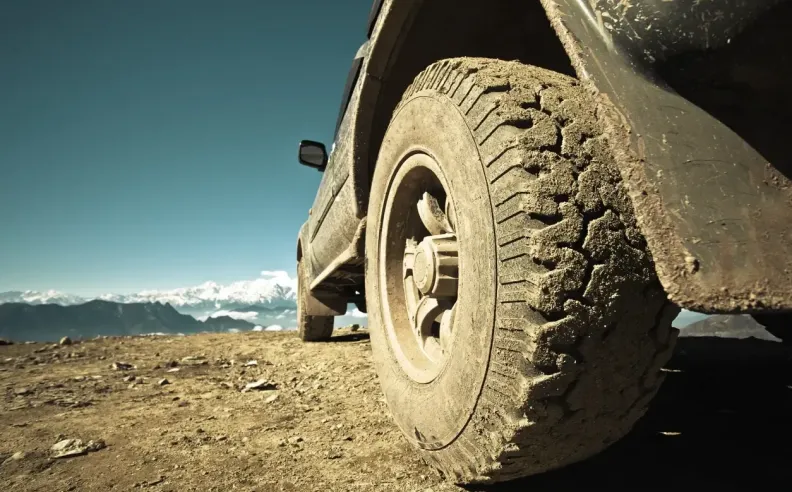
Traditional 4WD systems are commonly found in pickup trucks and SUVs designed for more demanding terrain.
A major difference is the transfer case, which distributes power between the front and rear axles. Many traditional systems allow the driver to choose between settings such as 2H, 4H and 4L.
2H normally sends power to one axle for regular driving. 4H engages both axles and is useful on loose surfaces such as sand, snow, gravel and mud.
4L adds low range gearing. This multiplies available torque while keeping vehicle speed low, which can be extremely useful when climbing steep terrain, crawling over rocks or moving through deep sand and mud.
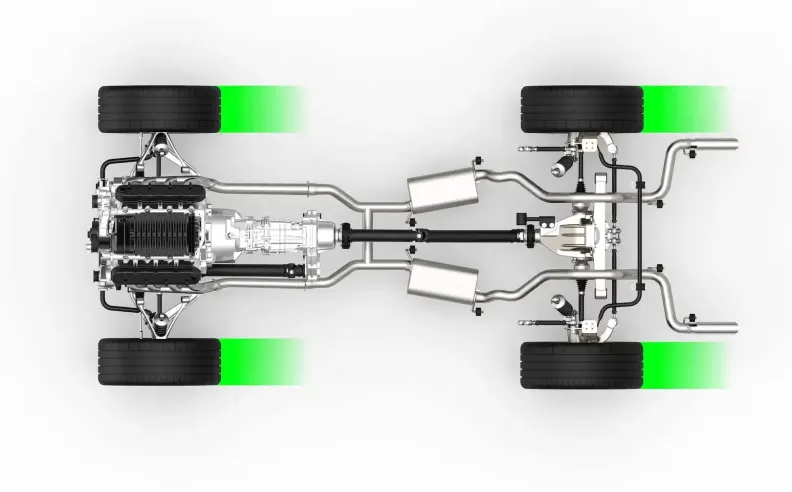
Many part time 4WD systems mechanically connect the front and rear axles when four wheel drive is engaged.
This arrangement is valuable on loose terrain because it ensures that both axles continue receiving power. However, the front and rear wheels naturally travel slightly different distances when the vehicle turns.
On loose surfaces, the tires can slip enough to release this difference. On dry pavement, they cannot do so as easily. Using a locked part time 4WD system on high grip roads can therefore place unnecessary stress on the drivetrain.
This is why drivers should always follow the manufacturer instructions when selecting 4H or 4L.
The biggest distinction is how each system approaches traction.
AWD normally prioritizes automatic operation and everyday stability. The vehicle decides when and where additional torque is needed, making the system easy to use during normal driving.
Traditional 4WD gives the driver more direct control and often includes equipment specifically designed for challenging terrain, including a transfer case, low range gearing and in some vehicles locking differentials.
Modern technology has made the boundary less obvious. Some advanced 4WD systems can operate automatically on paved roads, while some AWD vehicles offer sophisticated terrain modes and impressive off road capability.
Still, seeing AWD written on the back of an SUV does not automatically mean it has the same mechanical hardware as a traditional off road focused 4WD vehicle. Understanding the drivetrain, available drive modes and whether low range gearing is included provides a much clearer picture of what a vehicle can actually do when the road ends.

Started my career in Automotive Journalism in 2015. Even though I'm a pharmacist, hanging around cars all the time has created a passion for the automotive industry since day 1.


 SHARE
SHARE