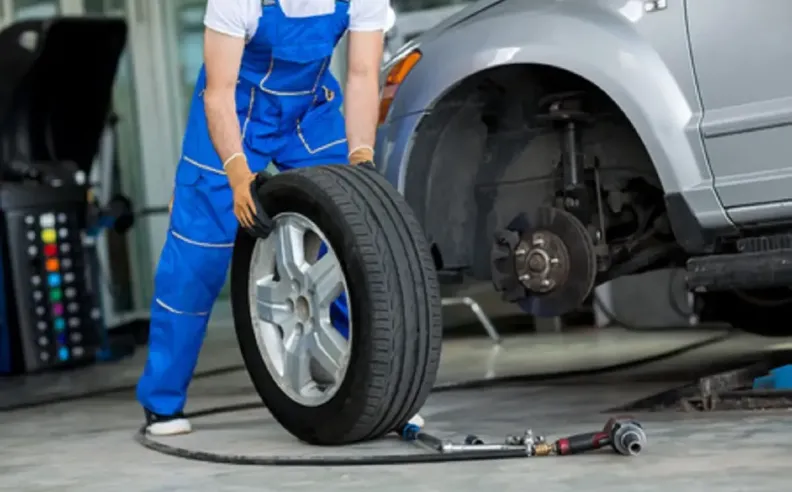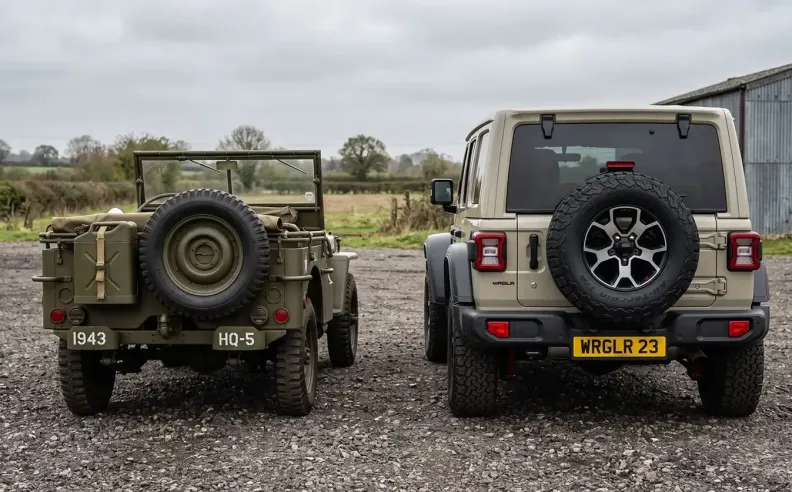
A full size spare tire mounted on the rear door has become one of the most recognizable features of serious off road vehicles. Models such as the Jeep Wrangler and Mercedes G Class have carried this design for decades, making it closely associated with rugged four wheel drive vehicles.
The location is not simply a styling decision. Mounting the spare tire outside solves several practical problems involving cargo space, ground clearance and accessibility, although carrying a heavy wheel on the rear door also creates its own engineering challenges.
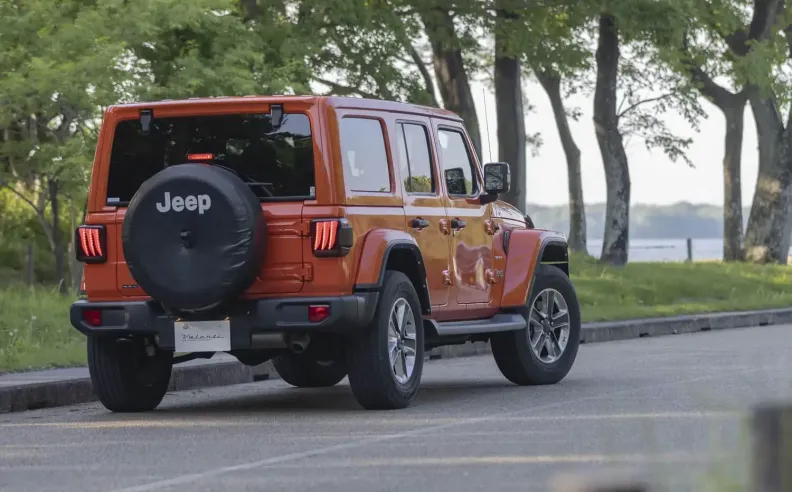
A full size spare tire takes up a considerable amount of room. Placing it inside the cargo compartment would reduce luggage capacity and could interfere with passenger seating or storage.
Moving the wheel outside allows manufacturers to use more of the interior for passengers, luggage and off road equipment.
This becomes particularly important in vehicles such as the Wrangler, where owners may carry recovery equipment, camping gear and other large items during outdoor trips.
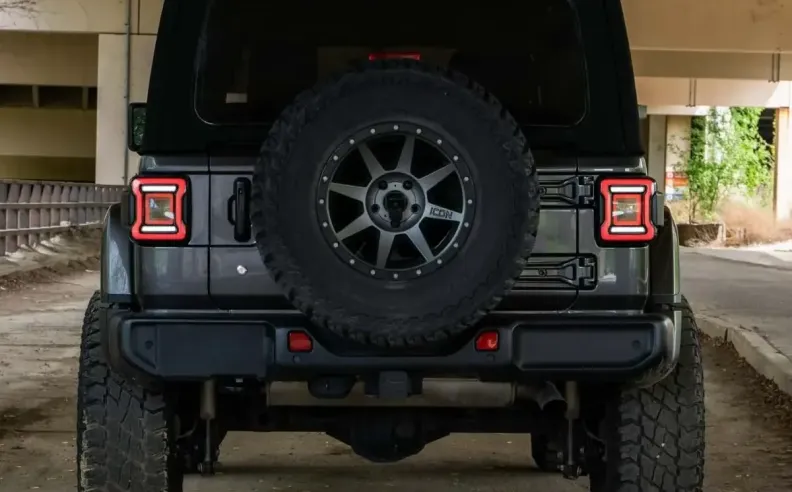
Many SUVs and pickup trucks store their spare tires underneath the vehicle, but this arrangement can create disadvantages during serious off road driving.
A large tire positioned beneath the chassis can reduce ground clearance or affect the departure angle depending on its location. It may also become exposed to rocks, mud and other obstacles.
A rear mounted spare keeps the wheel away from many of these hazards. It can also be easier to reach when the vehicle becomes stuck in sand or mud, where accessing a tire underneath the chassis may be difficult.
The exposed spare tire began as a practical solution on early utility and military vehicles, where accessibility and efficient use of limited interior space were essential.
Over time, the design became closely associated with rugged four wheel drive vehicles. On models such as the Jeep Wrangler, removing the external spare would significantly change the familiar appearance of the vehicle.
That visual connection is now part of the appeal. The exposed wheel immediately communicates that the SUV is designed with off road driving in mind, even when the vehicle spends most of its time on paved roads.
The rear mounted spare tire therefore represents more than tradition. It preserves valuable interior space, keeps a full size replacement wheel accessible and supports the packaging requirements of serious off road vehicles. At the same time, it has evolved into one of the defining visual features of the Jeep Wrangler and the wider off road world.
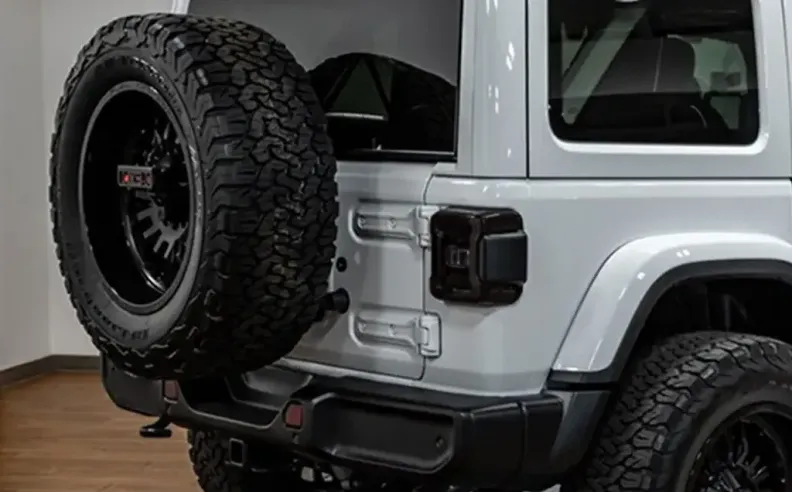
A full size off road wheel and tire combination can be extremely heavy, particularly when larger aftermarket wheels and tires are fitted.
Placing that weight on the rear door creates additional stress on the hinges, mounting points and surrounding structure. Manufacturers therefore need strong components capable of supporting the wheel through years of opening, closing and driving over rough surfaces.
Larger aftermarket tires can increase the load further. Some modified off road vehicles therefore use reinforced tire carriers that transfer more of the weight toward the rear bumper or chassis.
The external wheel can partially obstruct visibility through the rear window. It also adds to the effective length of the vehicle, which can become noticeable when parking in tight spaces.
Opening the rear door can require more effort because the driver is moving the additional weight of the spare wheel at the same time.
These disadvantages help explain why many modern SUVs designed primarily for urban driving have moved the spare tire underneath the vehicle, inside the cargo area or replaced it with other tire repair solutions.

Started my career in Automotive Journalism in 2015. Even though I'm a pharmacist, hanging around cars all the time has created a passion for the automotive industry since day 1.


 SHARE
SHARE