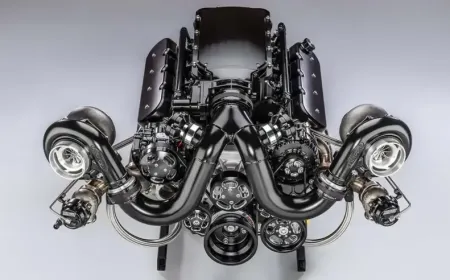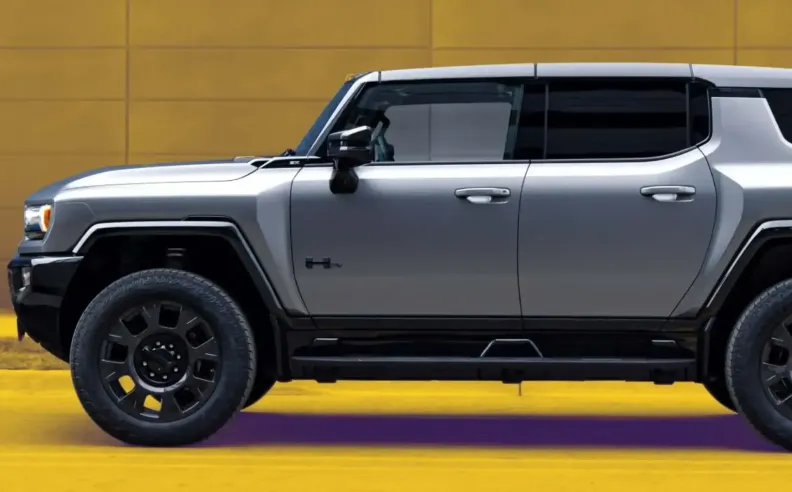
Modern cars have a weight problem. Even models that are still described as compact are becoming longer, wider and heavier with every new generation. Large electric SUVs can now weigh more than three tons, raising an important engineering question about why modern vehicles are losing the light and agile character once associated with smaller cars.
This increase did not happen because of one oversized screen or a single heavy component. It developed gradually as more space, technology, safety equipment and comfort features were added over time.
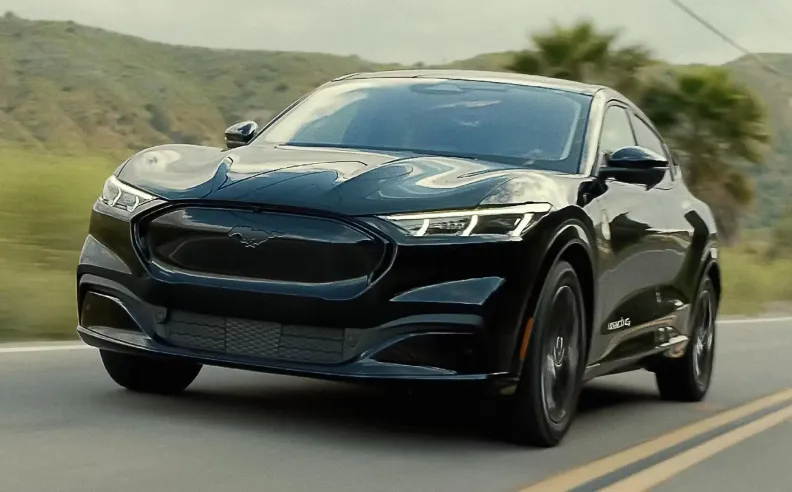
Growing vehicle dimensions remain one of the biggest reasons behind rising weight. Buyers increasingly prefer more cabin space, larger trunks and SUV style proportions. Data from the US Environmental Protection Agency shows that trucks and SUVs now represent more than 66 percent of modern vehicle production.
Larger bodies require more metal, glass and sound insulation. They also need stronger suspension components, larger brakes and heavier structural parts to support the additional size.
Modern safety standards add another layer. Strong crash structures, reinforced sections, radar units, cameras, sensors and electronic control modules all increase mass.
Research from the Insurance Institute for Highway Safety has also shown that the safety benefit of additional vehicle weight becomes more limited once a vehicle passes around 1,800 kilograms. A heavier car may better protect its own occupants, but it can also create more risk for people in smaller vehicles.
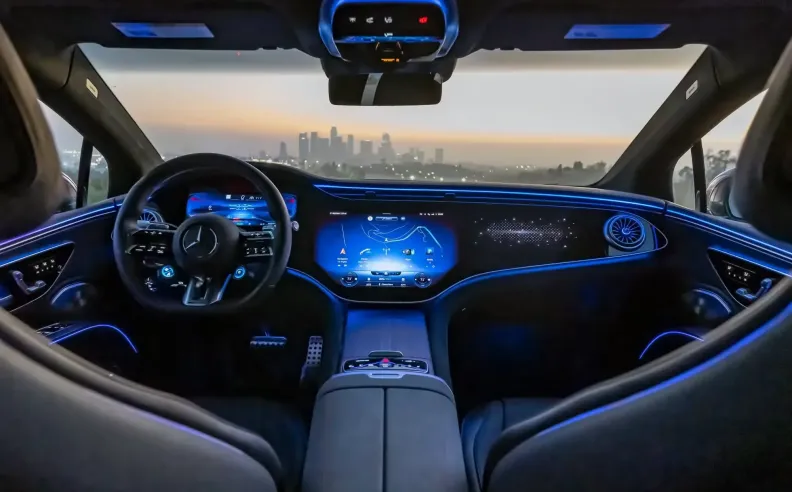
The weight spiral describes how one new feature can force engineers to make several other parts heavier as well.
Adding powered and heated seats, for example, increases vehicle mass. Engineers may then need larger brakes to stop the heavier car effectively. Bigger brakes require larger wheels, while larger wheels may demand stronger suspension components.
The same pattern can continue through the powertrain. A heavier vehicle may need more power to maintain the expected acceleration, which can lead to a larger motor, engine or cooling system.
This is why features that seem relatively small on their own can contribute to hundreds of kilograms once the entire vehicle is redesigned around them.
Luxury equipment has also become common in mainstream models. Panoramic glass roofs, powered tailgates, advanced audio systems and electrically adjustable seats all add comfort, but they also add significant weight.

Started my career in Automotive Journalism in 2015. Even though I'm a pharmacist, hanging around cars all the time has created a passion for the automotive industry since day 1.


 SHARE
SHARE