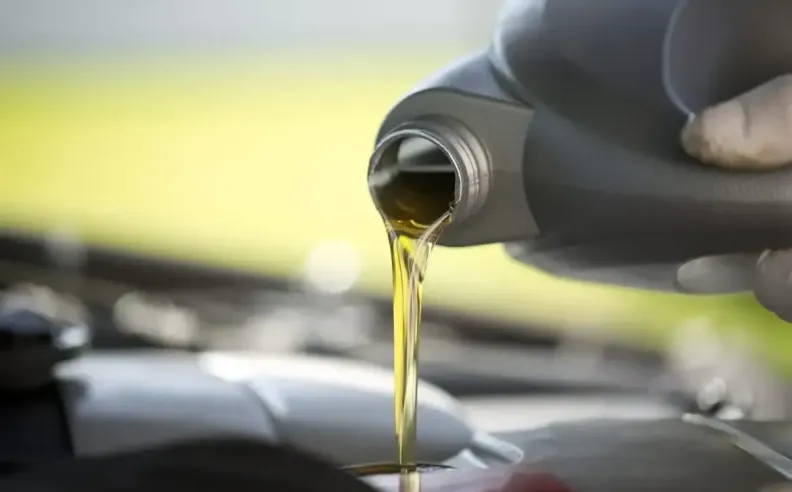
Anyone comparing engine oils at a service center or parts store will quickly notice how much more fully synthetic oil can cost than conventional alternatives. That price difference is not simply about branding. It reflects more intensive refining, sophisticated additive packages and the increasingly demanding requirements of modern engines.
Synthetic oil is engineered to maintain consistent lubrication across a much wider range of operating conditions. That matters especially in turbocharged engines, vehicles exposed to extreme temperatures and modern powertrains designed with tighter internal tolerances.
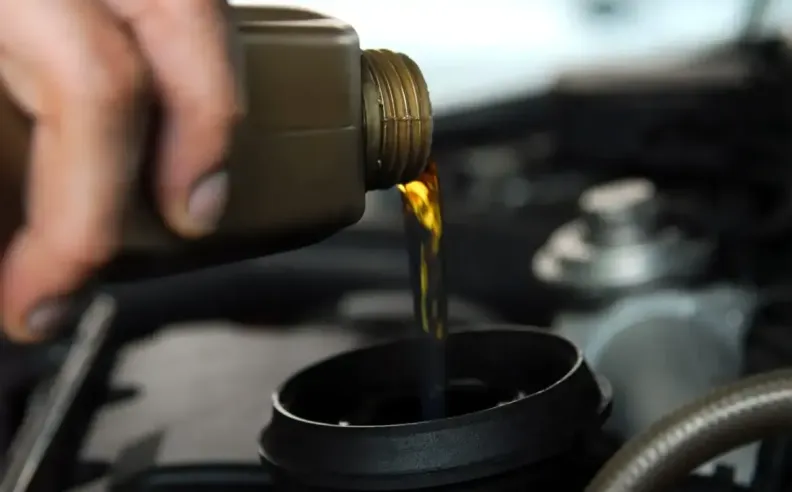
Conventional motor oil starts with crude petroleum that is refined into a usable lubricant. Its molecules naturally vary in size and structure, even after processing.
Synthetic oils undergo much more extensive processing to create a cleaner and more consistent base oil. Many modern synthetic products use highly refined Group III base stocks, while other formulations may rely on different synthetic base materials.
This more controlled structure helps synthetic oil flow more effectively during cold starts while maintaining its protective qualities when engine temperatures rise.
Synthetic oils also contain carefully developed additive packages. Detergents help control deposits, antioxidants slow oil degradation and other additives protect against corrosion, foam and wear.

The cost of producing high quality synthetic oil starts with the base oil itself. Highly refined Group III base oils require considerably more processing than the materials used in basic conventional lubricants.
Supply pressures can also affect prices. Disruptions in global energy markets and changes in refinery output can reduce the availability of premium base oils, pushing wholesale costs higher.
Oil companies must also invest heavily in research, testing and certification. Modern vehicles can require very specific oil standards, including popular viscosity grades such as 0W20 and 5W30.
Meeting an automakers official specification involves much more than producing oil with the correct viscosity. The lubricant must pass demanding tests covering wear protection, deposit control, fuel efficiency and performance at different temperatures.
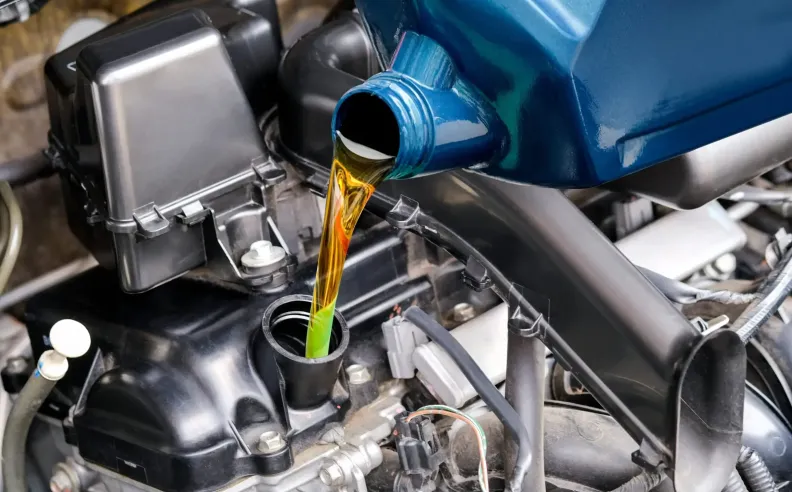
The cost of producing high quality synthetic oil starts with the base oil itself. Highly refined Group III base oils require considerably more processing than the materials used in basic conventional lubricants.
Supply pressures can also affect prices. Disruptions in global energy markets and changes in refinery output can reduce the availability of premium base oils, pushing wholesale costs higher.
Oil companies must also invest heavily in research, testing and certification. Modern vehicles can require very specific oil standards, including popular viscosity grades such as 0W20 and 5W30.
Meeting an automakers official specification involves much more than producing oil with the correct viscosity. The lubricant must pass demanding tests covering wear protection, deposit control, fuel efficiency and performance at different temperatures.
Modern engines place greater demands on their lubricants than many older designs. Turbochargers can expose oil to extremely high temperatures, while tighter mechanical tolerances require reliable lubrication through narrow internal passages.
Start and stop systems also increase the number of engine starts during everyday driving. Good oil flow becomes particularly important during these moments because much of an engines wear can occur shortly after startup.
Synthetic oils generally maintain their viscosity and protective properties more consistently during severe heat and cold. They can also resist oxidation and sludge formation better than basic conventional oils.
That does not mean every engine automatically benefits from the most expensive oil available. The correct specification remains more important than simply choosing the highest priced product on the shelf.
The owners manual should always be the starting point. If the manufacturer specifies synthetic oil or a particular modern standard, using the recommended product is important for protecting the engine.
An older vehicle originally designed to use conventional oil does not automatically gain twice the protection simply because its owner spends twice as much on a synthetic product.
Synthetic oil may still offer advantages in some older engines, particularly under extreme temperatures or demanding driving conditions, but the oil must still have the correct viscosity and meet the specifications required for that engine.
The condition of the vehicle also matters. Changing oil type does not repair worn seals, excessive oil consumption or existing mechanical problems.

Started my career in Automotive Journalism in 2015. Even though I'm a pharmacist, hanging around cars all the time has created a passion for the automotive industry since day 1.


 SHARE
SHARE