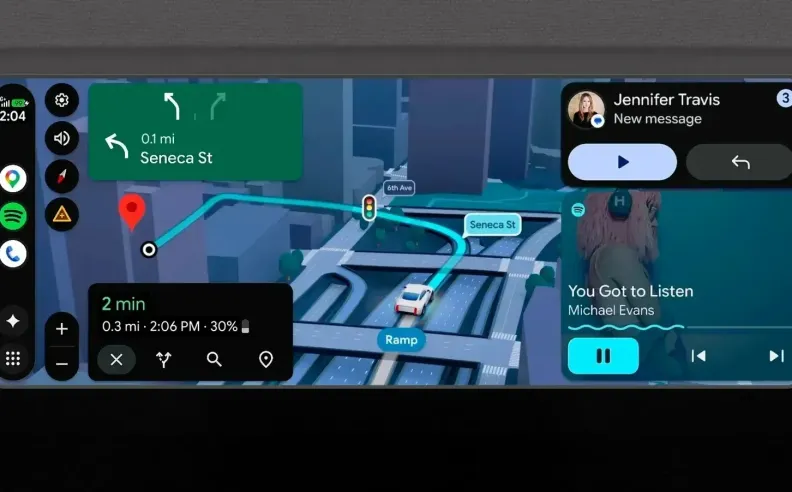
Google is giving Android Auto a major refresh, and the update arrives at a time when in car technology is becoming just as important as performance, comfort, and design. With more than 250 million Android Auto compatible cars on the road, this new version is set to improve the way drivers use navigation, media, communication, and smart features inside the cabin. The update brings a cleaner design, better support for different screen shapes, deeper Google Maps integration, and new entertainment tools for moments when the car is safely parked.
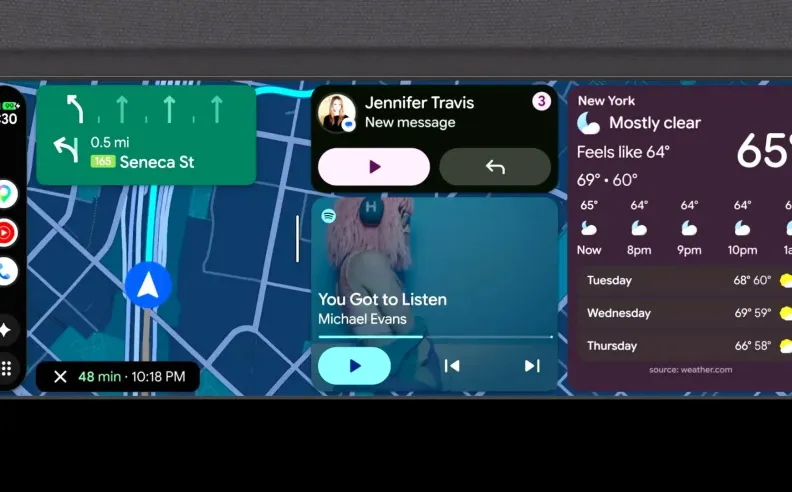
Bringing a more personal and modern feel to the dashboard, Google is updating Android Auto with a fresh visual style inspired by the latest Android smartphone experience. The new design uses Material 3 Expressive, giving the system a cleaner layout that feels more colorful, smoother, and easier to read while driving.
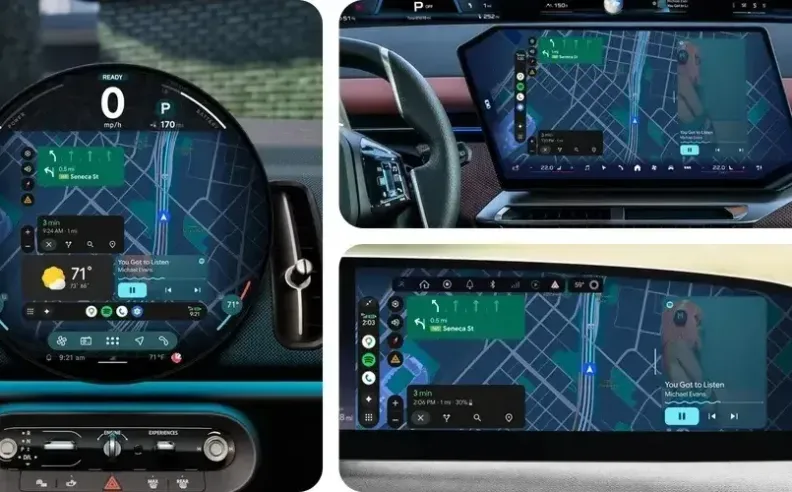
Improving usability across different vehicles, the update is designed to fit many screen types, from round infotainment displays to wide curved screens. This matters because modern cars now come with very different dashboard layouts, and Android Auto needs to look natural whether it is displayed in a compact city car, a luxury sedan, or a family SUV.
Adding more personality, Google is introducing customizable widgets that allow drivers to see useful information quickly. These widgets can show weather updates, favorite contacts, photos, a large clock, and shortcuts for smart home features such as a garage door opener. For daily drivers in Saudi Arabia and the Gulf, this makes the cabin feel more connected, especially during commutes, school runs, or long weekend drives.
Expanding the entertainment experience, Google is bringing high resolution YouTube video support to Android Auto later this year in selected vehicles from brands including BMW, Ford, Genesis, Hyundai, Kia, Mercedes, Renault, Skoda, and Volvo. The feature is designed for parked moments, such as waiting in the car, taking a break, or charging an electric vehicle.
Keeping safety at the center, videos stop once the driver shifts into gear, while the audio can continue. That means a driver can watch a video while parked, then continue listening to a podcast, interview, or music content while driving.
Improving the audio side as well, Android Auto is adding Dolby Atmos support for certain apps and compatible vehicles. Spotify and YouTube Music are also getting visual updates, making them easier to use from the car screen. This gives drivers a smoother media experience with fewer distractions, especially when switching between playlists, podcasts, navigation, and calls.
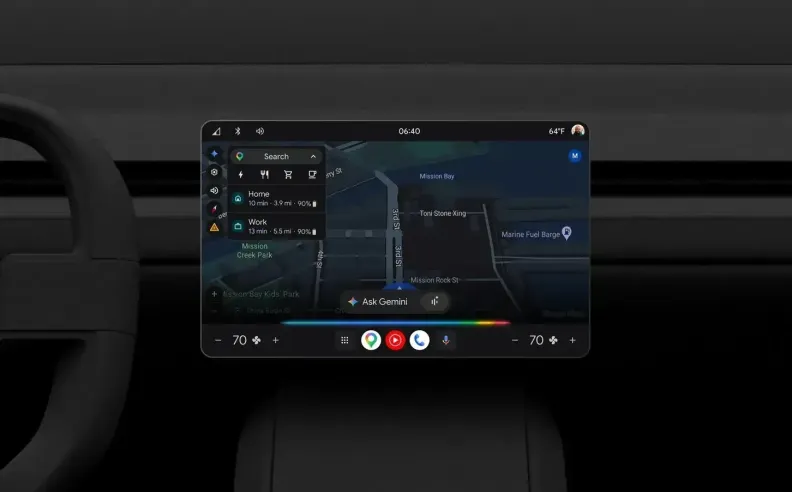
Strengthening the role of artificial intelligence inside the vehicle, Google is adding more Gemini features to Android Auto and cars with Google built in. Drivers will be able to ask more natural questions, get help with tasks, and interact with their car systems in a more conversational way.
Making the feature even more useful in vehicles with Google built in, Gemini can answer questions related to the specific model. A driver could ask about a warning light, a vehicle function, or even whether a large item can fit in the trunk. This turns the infotainment system into a more helpful digital assistant instead of just a screen for music and maps.
Enhancing navigation, Google Maps is also becoming more precise in selected models with Google built in through live lane guidance. Using the vehicle’s front camera, the system can understand which lane the car is in and offer real time guidance when changing lanes or preparing for an exit. For drivers in busy cities, this could make navigation feel more confident and less stressful, especially on highways and unfamiliar roads.

Started my career in Automotive Journalism in 2015. Even though I'm a pharmacist, hanging around cars all the time has created a passion for the automotive industry since day 1.



 SHARE
SHARE