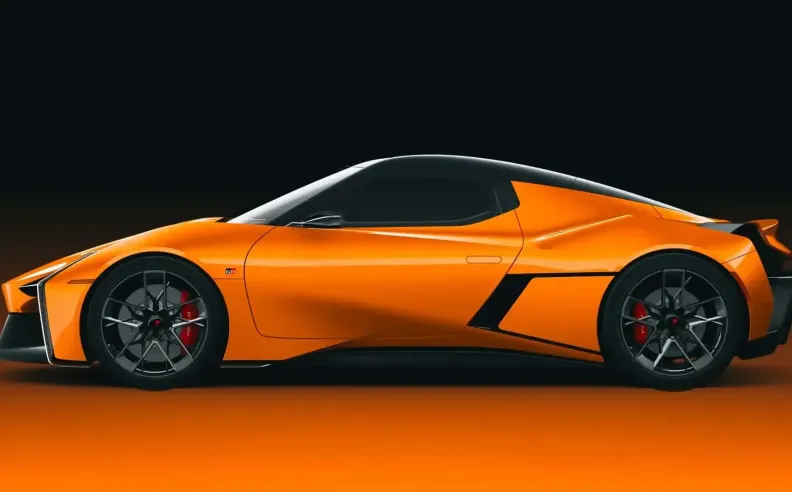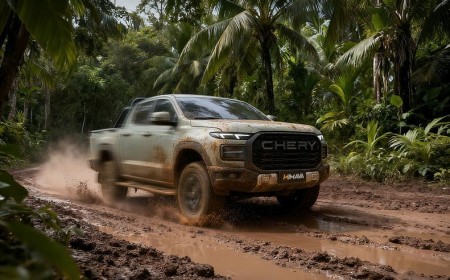
Sports cars have always been linked to speed track performance and the thrill of powerful engines. In 2026, automotive engineering has pushed this category beyond weekend drives and into daily life. Many drivers now consider using a sports car for commuting city errands and even long distance travel. The question is no longer about capability alone, but about balance between passion and practicality in real world conditions.
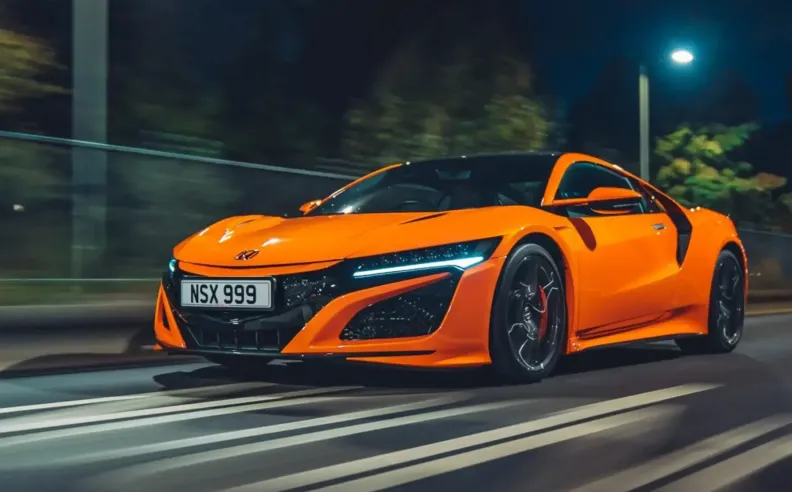
Modern technology has significantly reshaped how sports cars behave on everyday roads. Manufacturers now focus on making these vehicles more versatile by introducing advanced suspension systems that adapt to different driving conditions. With adaptive and air suspension systems, drivers can switch from a stiff performance setup to a softer and more forgiving ride that absorbs road imperfections more effectively.
Driving modes also play a key role in transforming the daily experience. Many sports cars now offer comfort and eco modes that reduce engine aggression and improve fuel efficiency. This makes traffic driving smoother and less stressful, especially in busy cities across Saudi Arabia. Models like Porsche 911 and BMW M4 show how performance cars can now deliver a calm and refined driving experience when needed, without losing their core identity.
Inside the cabin, improvements in sound insulation and seat design help reduce fatigue during long drives. What once felt harsh and track focused now feels closer to a premium grand touring experience. These changes make sports cars more usable for daily routines while still offering excitement when the road opens up.
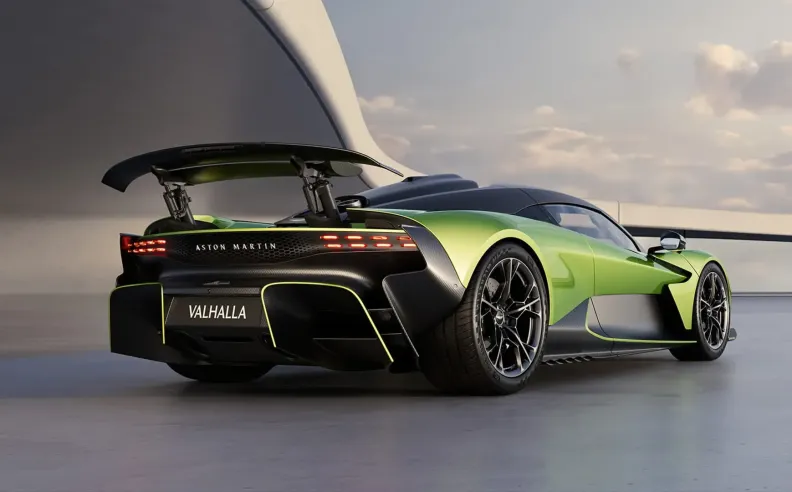
Despite all the advancements, sports cars still come with practical limitations that drivers must consider. Storage space remains one of the biggest compromises, especially in models with mid engine layouts. Carrying large shopping loads or traveling with multiple passengers can quickly become inconvenient.
Ground clearance is another challenge that directly affects daily usability. Sports cars sit low to the ground, which means speed bumps parking ramps and uneven roads require careful driving. Without proper attention, the front bumper can easily get damaged, especially in urban environments where road conditions are not always ideal.
Running costs also increase when a sports car is used daily. High performance tires and braking systems wear out faster and cost more to replace. In hot climates like Saudi Arabia, this wear can happen even quicker due to high temperatures and demanding road conditions. Maintenance schedules are stricter and require more attention to keep the vehicle performing at its best.
Over time, higher mileage can also impact resale value more significantly compared to traditional family cars or SUVs. This means daily driving a sports car is not just about fuel and comfort, but also about long term financial considerations.

Started my career in Automotive Journalism in 2015. Even though I'm a pharmacist, hanging around cars all the time has created a passion for the automotive industry since day 1.


 SHARE
SHARE