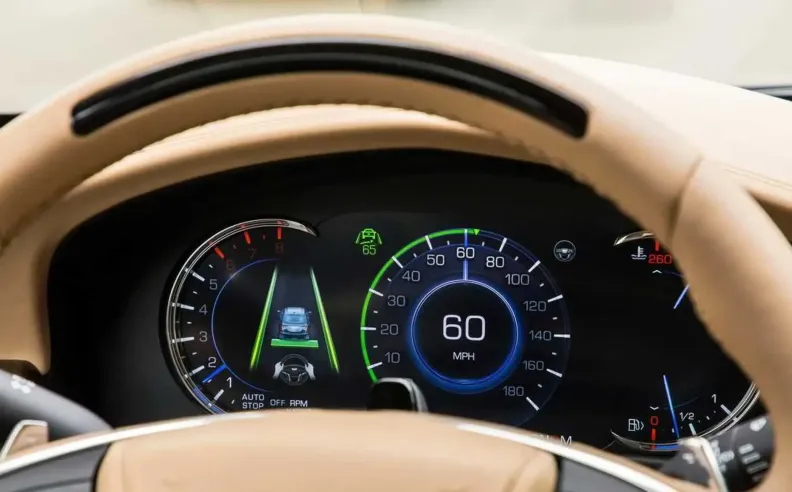
Modern cars in 2026 feel smarter than ever, packed with driver assistance features that aim to make every journey safer and more comfortable. Among the most commonly misunderstood systems are those designed to help drivers stay within their lane. While the names may sound similar, lane departure warning, lane keep assist, and lane centering each play a very different role. Understanding how they work can help drivers use them correctly and get the most out of their vehicle’s safety technology.
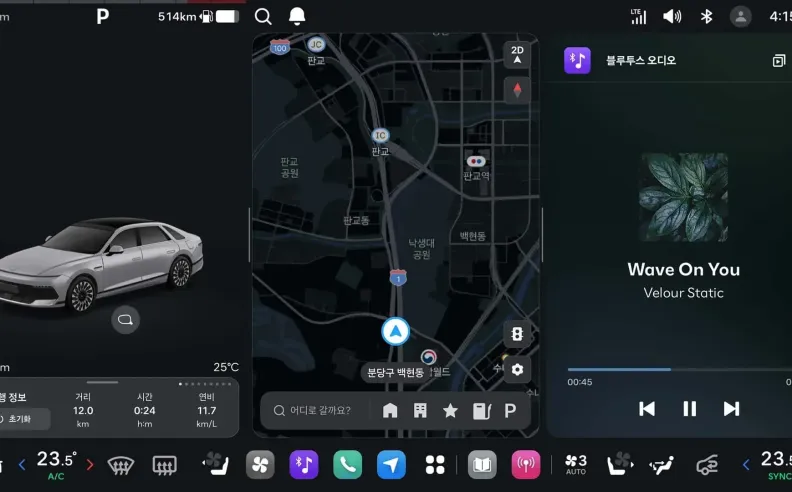
Lane departure warning works as the most basic level of lane assistance. It focuses purely on alerting the driver rather than taking any direct action. The system uses a forward facing camera to monitor road markings and detect when the vehicle begins to drift خارج its lane without signaling.
Once it detects unintentional movement, it sends a warning through sound alerts or visual signals on the dashboard. Some systems may also use vibration in the steering wheel to grab the driver’s attention. However, it does not steer the car or apply brakes. It simply notifies the driver and leaves full control in their hands.
This is why it is considered a passive system. It relies entirely on the driver’s reaction, making it more of a safety reminder than an active intervention feature.
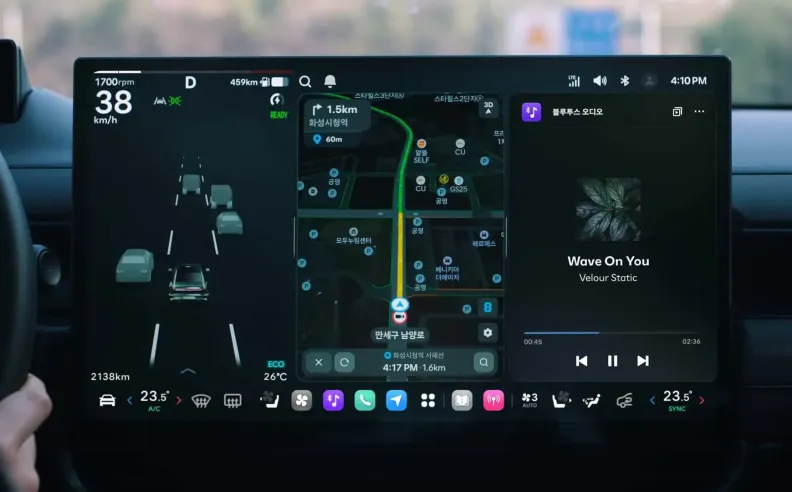
Lane keep assist takes things a step further by introducing active intervention. Instead of just warning the driver, it steps in when the car begins to drift unintentionally. It gently adjusts the steering or applies slight braking force to guide the vehicle back into its lane.
The system is designed to feel subtle and supportive rather than intrusive. Drivers can easily override it when they intentionally change lanes or need to react quickly in an emergency. This balance ensures that the driver remains in full control while still benefiting from added safety support.
In most 2026 vehicles, lane keep assist has become a standard feature, especially in mid range and premium models. It acts as a backup layer of protection that reduces the risk of accidental lane departures during everyday driving.
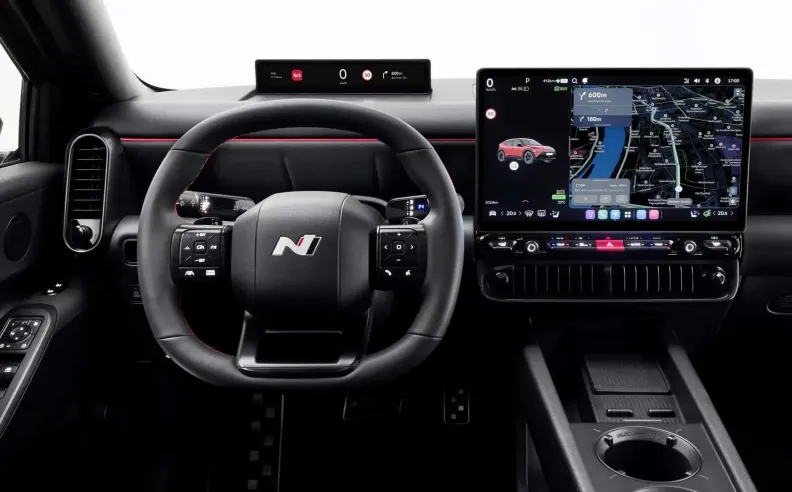
Lane centering represents the most advanced form of lane assistance currently available in many vehicles. Unlike lane keep assist, which only reacts when the car drifts, lane centering works continuously to keep the vehicle positioned exactly in the middle of the lane.
The system actively steers the car at all times, making constant adjustments to maintain perfect alignment with road markings. It is often used together with adaptive cruise control to create a semi autonomous driving experience, especially on highways. In many cases, it can handle gentle curves and long stretches of road with minimal driver input.
Activation is usually done through a dedicated button on the steering wheel, making it easy to engage while driving. Despite its advanced capabilities, it still requires the driver to keep hands on the wheel and remain attentive, as it is designed to assist rather than replace human control.
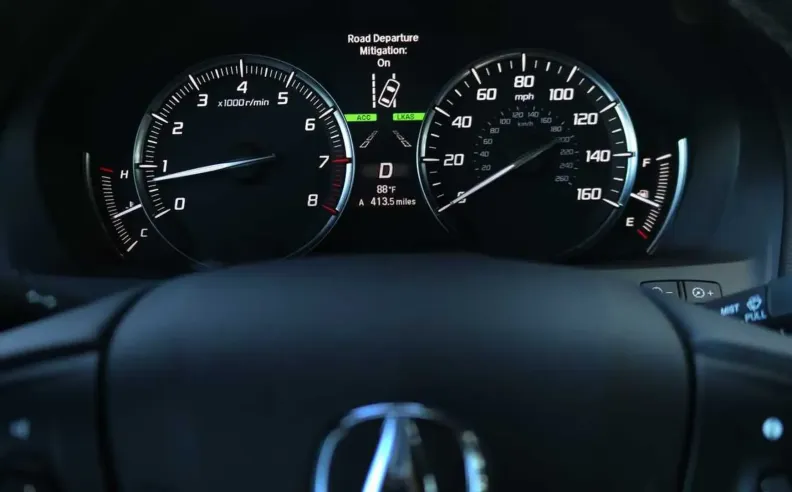
Each system offers a different level of support, starting from simple alerts and moving toward active guidance. Lane departure warning focuses only on notifications and depends entirely on the driver’s response. Lane keep assist adds physical intervention but only when needed, stepping in during unintended lane drift.
Lane centering, on the other hand, provides continuous assistance by actively managing steering to keep the car centered at all times. It delivers a smoother and more controlled driving experience, especially during long highway journeys.
Control methods also differ. Warning systems operate quietly in the background, while lane keep assist can be toggled through vehicle settings. Lane centering is usually activated directly from the steering wheel for quick access during driving.
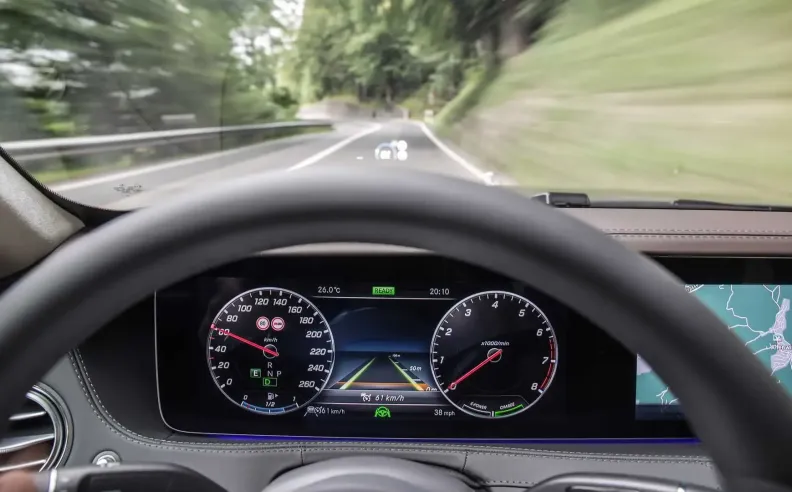
Studies show that these technologies contribute positively to road safety when used correctly. For example, lane keep assist has been shown to reduce accidents by noticeable margins, helping prevent unintended lane departures that can lead to serious collisions.
However, these systems are not a replacement for an attentive driver. Most advanced features require hands on the steering wheel and will issue warnings if the driver becomes distracted. They are designed to support awareness, reduce fatigue, and provide an extra layer of safety rather than take over the driving task بالكامل.
When understood and used properly, these systems can make daily driving more comfortable and significantly safer, especially during long commutes and highway travel.

Started my career in Automotive Journalism in 2015. Even though I'm a pharmacist, hanging around cars all the time has created a passion for the automotive industry since day 1.


 SHARE
SHARE