Pirelli is taking tire technology far beyond grip, pressure, and durability. The Italian tire giant has acquired a 30 percent stake in Swedish technology company Univrses, aiming to strengthen its Cyber Tyre platform with artificial intelligence and advanced computer vision. For drivers in Saudi Arabia and the Gulf, this points toward a future where tires, cameras, and smart software work together to improve safety, road awareness, and vehicle intelligence.
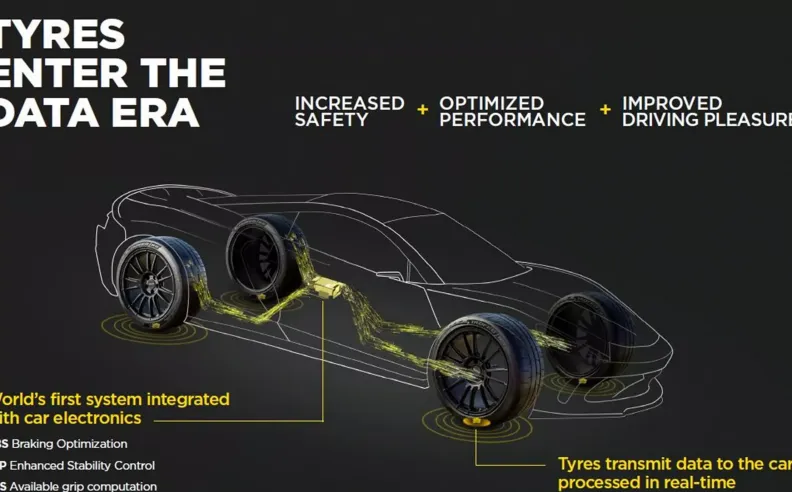
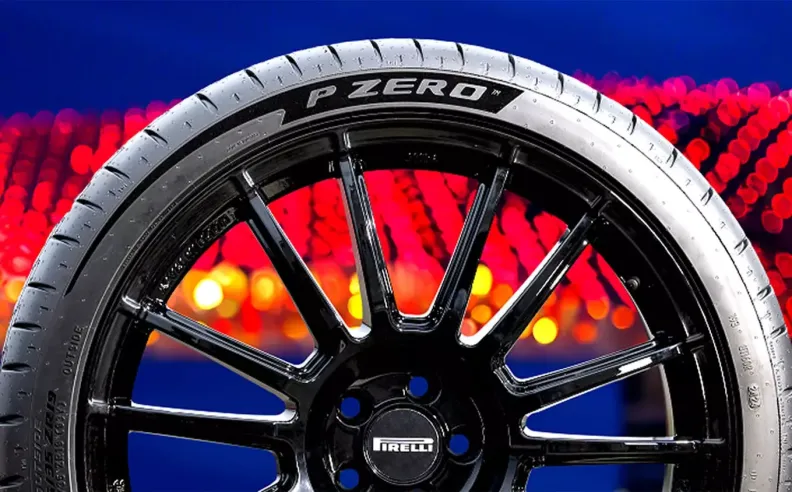
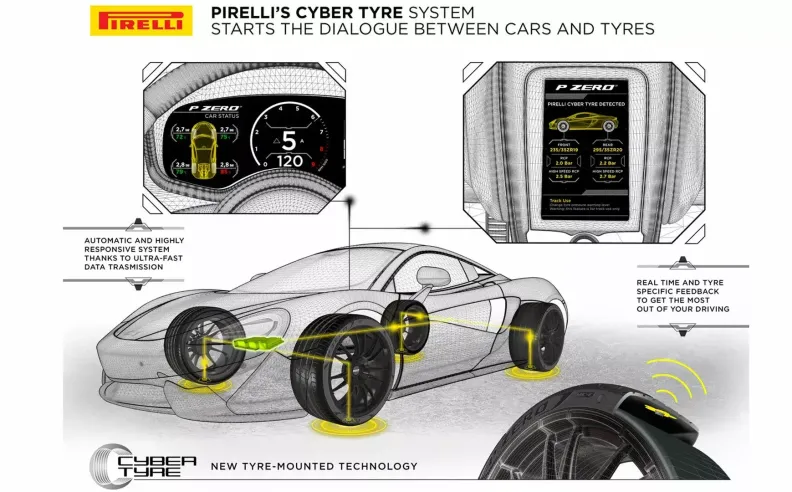
Pirelli Cyber Tyre is not just a tire pressure monitoring system with a fancy name. It is an integrated hardware and software platform that uses sensors inside the tires to collect important driving data and share it with the vehicle. This can help the car better understand what is happening between the tire and the road, from grip levels to changing surface conditions.
By placing sensors inside the tires, Pirelli gives the vehicle direct information from the only part of the car touching the road. This makes the tire an active data source rather than a passive component. With this technology, future cars could better understand grip levels, surface quality, and changing road conditions in real time.
Pirelli is investing in Univrses because tire sensors alone are not enough to fully understand the road. Univrses brings AI powered computer vision through its 3DAI engine, which can support spatial deep learning, 3D positioning, and 3D mapping.
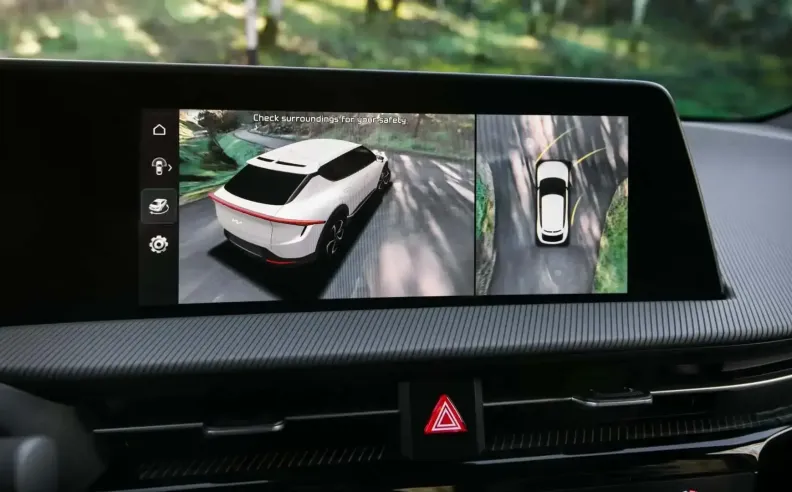
This means the vehicle can combine tire data with camera based road perception. In simple terms, the car would not only feel the road through the tires, but also see and understand the surrounding environment through AI cameras. This could help future autonomous and connected vehicles locate themselves more accurately, read infrastructure conditions, and respond more confidently to what is happening around them.
Pirelli and Univrses are already testing this technology in real life. In 2025, Pirelli and the Puglia Region in Italy launched a road monitoring pilot that combines Cyber Tyre data with Univrses computer vision. The goal is to create an updated map of road and infrastructure conditions across regional roads.
This could become valuable for governments, mobility companies, and future smart cities. Instead of waiting for road damage to be reported manually, connected vehicles could help collect fresh data while driving. For everyday drivers, this points toward safer roads, smarter navigation, and more advanced vehicle systems that understand the world around them with greater accuracy.
Pirelli and Univrses are showing how the tire could become part of the connected car brain. With sensors in the rubber and AI eyes watching the road, the future vehicle may depend on its tires for much more than traction.

Started my career in Automotive Journalism in 2015. Even though I'm a pharmacist, hanging around cars all the time has created a passion for the automotive industry since day 1.


 SHARE
SHARE