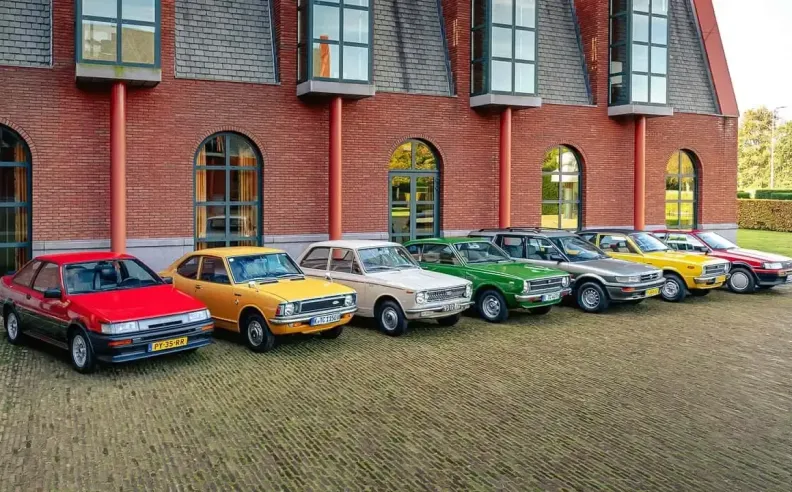
Few cars have achieved the legendary status of the Toyota Corolla. Since its introduction in 1966, the Japanese icon has become the world's best selling car, with more than 57 million units sold across 12 generations. What started as an affordable compact car designed for everyday transportation has evolved into a global symbol of reliability, practicality, and engineering excellence. As Toyota celebrates the Corolla's 60th anniversary in 2026, its remarkable journey reveals how continuous innovation, improved performance, and modern hybrid technology have kept this beloved nameplate relevant for six decades.
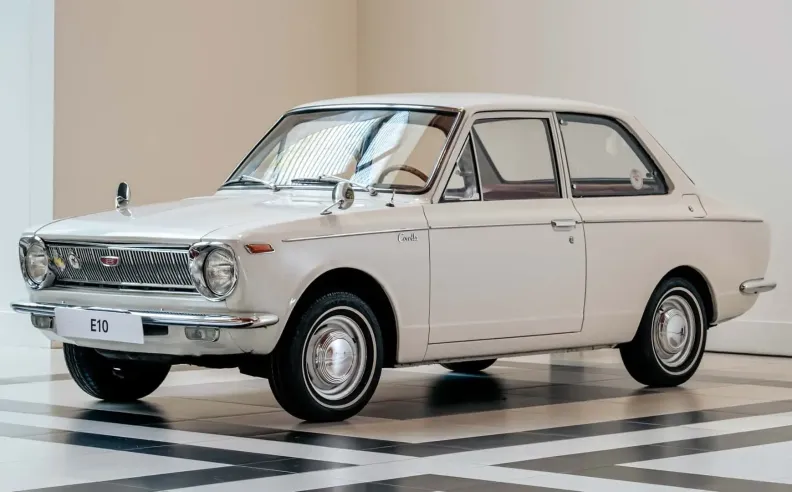
The Corolla story began in 1966 under the direction of Toyota chief engineer Tatsuo Hasegawa. The first generation E10 featured a compact rear wheel drive platform, a 1.1 liter engine producing approximately 60 horsepower, and a four speed manual transmission. Its combination of affordability, durability, and practical engineering quickly attracted buyers, establishing the foundation for one of the automotive industry's greatest success stories.
Throughout the 1970s, the second, third, and fourth generations introduced improved engines, better suspension systems, enhanced safety features, and more comfortable interiors. The Corolla Levin brought additional excitement with its twin cam engine, while Toyota continued refining fuel efficiency and everyday usability. By 1983, the fifth generation introduced one of the biggest engineering changes in Corolla history, switching mainstream family models to front wheel drive for improved interior space and practicality.
However, Toyota preserved rear wheel drive for the legendary AE86 sports coupe. Equipped with a 1.6 liter 4A GE engine producing up to 130 horsepower, the lightweight AE86 became an icon among drifting enthusiasts and motorsport fans. Its racing heritage extended beyond street culture, with the Corolla eventually helping Toyota secure the 1999 World Rally Championship manufacturers title.
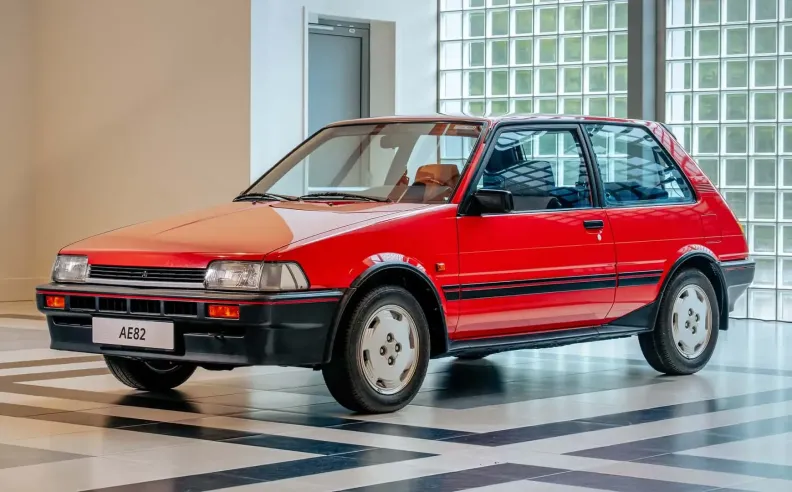
As the Corolla entered the 1990s and early 2000s, Toyota focused on improving reliability, safety, and efficiency. The sixth through tenth generations introduced more refined chassis designs, advanced airbag systems, and improved engine technology. The arrival of VVTi variable valve timing helped optimize performance and fuel consumption, while D4D diesel engines expanded the available powertrain options in selected markets.
Electrification became another important milestone with the introduction of the Auris Hybrid in Europe in 2010. Today, the twelfth generation Corolla uses Toyota's TNGA C platform, providing greater structural rigidity, a lower center of gravity, and improved handling. In selected markets, Toyota's fifth generation hybrid technology combines 1.8 liter and 2.0 liter engines with upgraded electric components to deliver smoother performance and greater efficiency.
The Corolla family has also expanded beyond traditional sedans and hatchbacks with the introduction of the Corolla Cross SUV. Modern models offer advanced driver assistance systems, digital displays, smartphone connectivity, and improved comfort features, reflecting the changing expectations of drivers across global markets.
To celebrate six decades of success, Toyota has introduced special 60th anniversary editions in selected European markets, featuring exclusive styling details, commemorative badges, and upgraded equipment. From its humble beginnings to today's sophisticated hybrid models, the Toyota Corolla continues to demonstrate that lasting automotive success comes from reliability, innovation, and understanding what everyday drivers truly need.

Started my career in Automotive Journalism in 2015. Even though I'm a pharmacist, hanging around cars all the time has created a passion for the automotive industry since day 1.


 SHARE