Electric vehicles have transformed automotive ownership by eliminating many traditional maintenance requirements, including engine oil changes and several mechanical components associated with gasoline engines. However, one maintenance expense continues to raise questions among drivers: tire replacement. Recent research suggests that electric vehicles can wear through tires faster than their gasoline counterparts, primarily because of their heavier batteries and the instant torque delivered by electric motors. But how significant is the difference, and can drivers reduce the additional expense? New studies from 2025 and 2026 reveal the science behind electric car tire wear and the practical solutions that could help owners save money.
Research increasingly suggests that electric vehicles can experience greater tire wear, although the difference varies considerably depending on vehicle weight, tire design, and driving conditions. A Korean study published in Science of the Total Environment measured average tire tread wear of 201.7 milligrams per kilometer for an electric vehicle, compared with 158.9 milligrams for a gasoline car and 167.4 milligrams for a diesel vehicle. These findings represent approximately 27% more wear than gasoline vehicles and 20% more than diesel models under the tested conditions. However, these measurements represent rubber loss rather than a universal prediction of tire replacement intervals.
Real world fleet data provides further insight into the financial implications. According to a 2025 report from Epyx, electric company cars required their first tire replacement after an average of approximately 23,100 km, compared with 29,500 km for combustion engine vehicles. That represents roughly 22% less distance between replacements. Meanwhile, a 2026 study published in Mechanika estimated reductions in tire life ranging from 35% to 62%, although differences in driving routes and conditions limit direct comparisons. Another 2026 investigation reported approximately 31% higher tire and road particle emissions from electric vehicles, highlighting an additional environmental consideration rather than a direct measurement of tire lifespan.
Interestingly, research conducted by UTAC comparing an electric BMW iX1 with five gasoline BMW X1 vehicles over 15,000 km revealed that additional vehicle weight plays a major role in tire wear. When researchers adjusted their findings to account for vehicle mass, the difference between electric and combustion models became significantly smaller. This suggests that battery weight, rather than electric propulsion alone, is an important contributor to increased tire consumption.
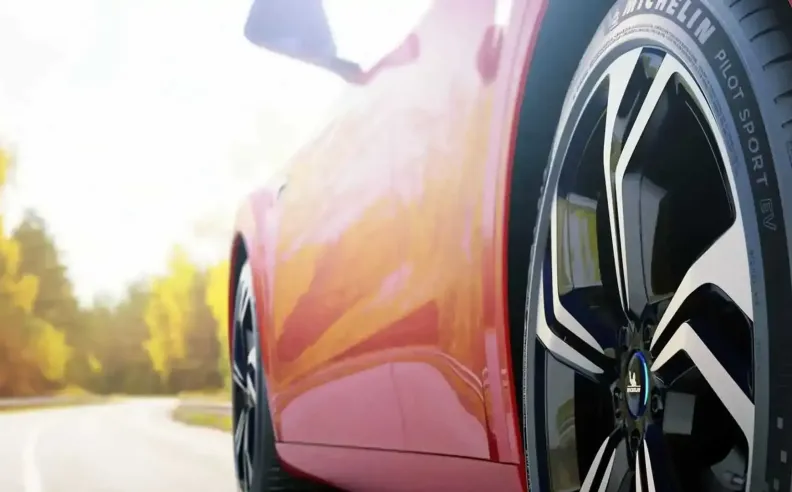
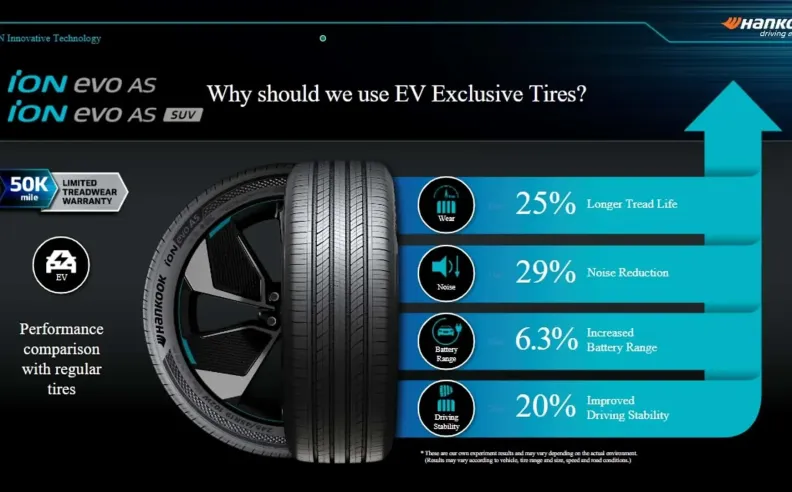
To address the demands of electric vehicles, manufacturers such as Michelin have developed tires engineered to support heavier loads, improve durability, and minimize rolling resistance. Specialized rubber compounds and reinforced structures help manage the additional stresses associated with battery weight and rapid acceleration, while reduced rolling resistance improves energy efficiency and potentially extends driving range. Some premium EV tires also incorporate acoustic foam inside their construction to absorb road noise, an increasingly important feature because electric vehicles lack the engine sound that traditionally masks tire noise.
However, electric vehicle owners are not necessarily required to purchase tires specifically labeled for EV use. According to German automotive organization ADAC, conventional tires can also be suitable provided they meet the vehicle manufacturer specifications for dimensions, load capacity, and speed rating. Choosing the correct tires is essential for safety and performance, while selecting models with balanced grip, durability, and rolling resistance can help control long term ownership costs.
Driving habits also play an important role in extending tire life. Smooth acceleration reduces the stress placed on the tread by instant electric torque, while gentle braking and controlled cornering help minimize unnecessary friction. Maintaining the recommended tire pressure, checking wheel alignment, and rotating tires at the intervals specified by the manufacturer can also prevent uneven wear between the front and rear axles. Ultimately, while electric vehicles may require more frequent tire replacements in certain conditions, careful driving and proper maintenance can significantly reduce the expense without compromising safety or performance.

Started my career in Automotive Journalism in 2015. Even though I'm a pharmacist, hanging around cars all the time has created a passion for the automotive industry since day 1.


 SHARE