Driving an electric car feels noticeably different from driving a gasoline powered vehicle. Acceleration arrives smoothly, there are no obvious gear changes, and power continues building without a transmission constantly shifting between different ratios.
Most EVs can do this because they use a single speed reduction gear rather than the transmissions with eight, nine or even ten gears found in modern gasoline cars. The reason comes down to how differently electric motors produce power.
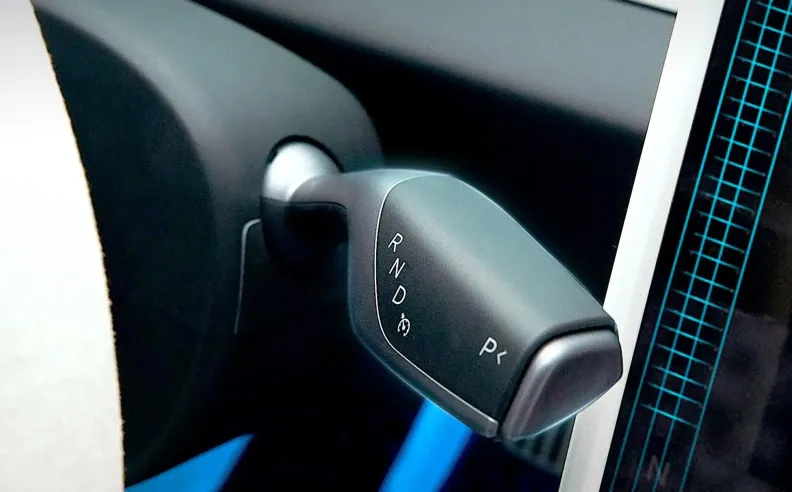
Electric motors operate effectively across a much wider range of rotational speeds than gasoline engines. They can spin from very low speeds to extremely high speeds while continuing to provide useful power.
They also produce strong torque almost immediately. This means an EV does not need to build engine speed before delivering strong acceleration from a stop.
Engineers can therefore choose one fixed gear ratio that provides enough torque for quick acceleration while still allowing the motor to spin fast enough for highway driving.
The result is the smooth and almost uninterrupted acceleration that has become one of the defining characteristics of electric cars.
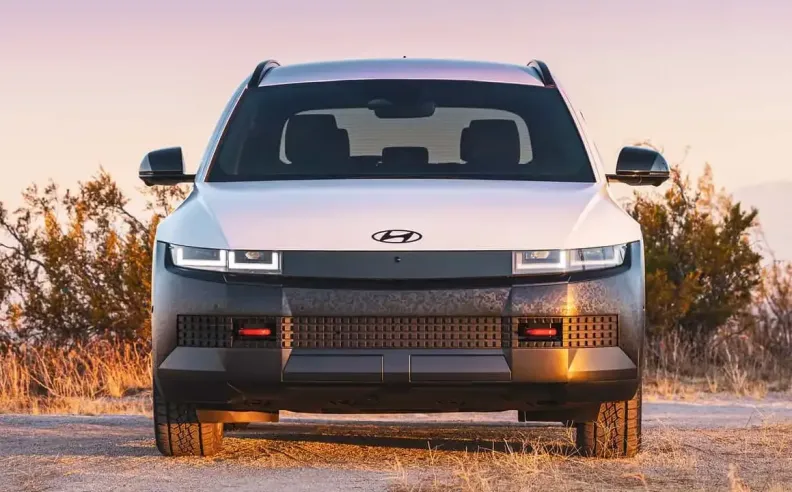
A gasoline engine operates efficiently within a much narrower range of engine speeds. At very low engine speeds, it may not produce enough power. At extremely high speeds, efficiency and durability become concerns.
A transmission solves this problem by changing gear ratios as the car accelerates. Lower gears multiply torque when starting from a stop, while higher gears reduce engine speed during highway driving.
Adding more ratios allows modern engines to stay closer to their ideal operating range. This explains why many gasoline cars now use eight, nine or even ten speed transmissions.
Electric motors simply do not need this level of mechanical assistance.
An EV motor is not usually connected directly to the wheels. Electric motors can rotate far faster than the wheels need to turn, so a fixed reduction gear sits between them.
This reduction lowers the rotational speed reaching the wheels while multiplying the available torque.
A typical EV drivetrain includes the electric motor, a reduction gear and a differential. The differential allows the driven wheels to rotate at different speeds when the vehicle turns.
Because there are no multiple ratios to switch between, this setup can contain fewer moving components than a conventional automatic transmission. That can reduce mechanical complexity while helping deliver immediate and consistent power.
Not every electric vehicle follows the single gear formula. Some manufacturers use two speed transmissions when extra performance or efficiency can justify the additional complexity.
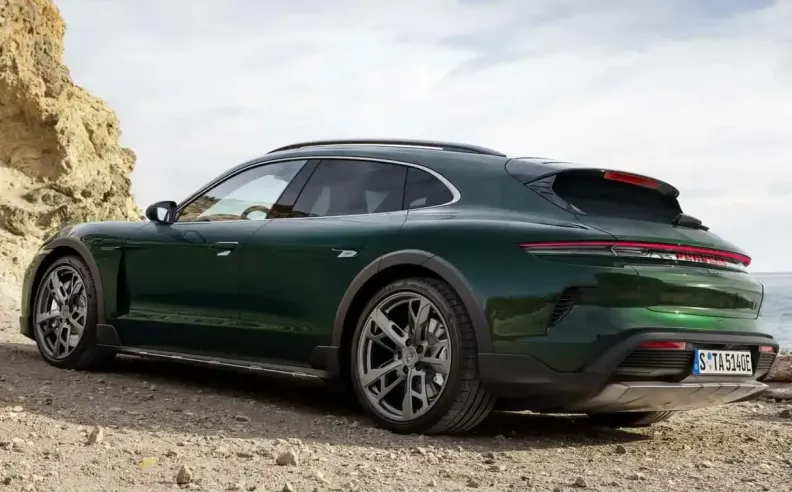
The Porsche Taycan is one of the best known examples. Its rear axle uses a two speed transmission. Porsche uses the shorter first ratio to support strong acceleration, while the taller second ratio improves efficiency and performance at higher speeds.
The Audi e tron GT also uses a two speed automatic transmission as part of its electric drivetrain.
Mercedes Benz has adopted a similar idea for its latest electric CLA models. The electric drive system uses a two speed gearbox on the rear axle to combine strong performance with improved efficiency at higher speeds.
These vehicles show that multiple gears can still have advantages when manufacturers are chasing specific performance and efficiency targets.
Adding another ratio can improve acceleration, high speed efficiency or towing performance in certain situations. However, those benefits come with additional weight, cost and mechanical complexity.
Every extra gear also introduces more moving components and the possibility of additional energy losses.
For most everyday electric cars, manufacturers can already achieve the required acceleration, highway speed and efficiency with one carefully selected reduction ratio.
This is why the simpler solution usually wins. Electric motors already provide the broad operating range that gasoline engines need complicated transmissions to achieve.
So the next time an EV accelerates from a traffic light without a single noticeable gear change, there is nothing missing from the driving experience. The electric motor simply does not need all those gears in the first place.
For more simple explanations of the technology changing modern cars, explore our latest EV guides and discover how electric motors, batteries, regenerative braking and charging systems work together behind the scenes.

Started my career in Automotive Journalism in 2015. Even though I'm a pharmacist, hanging around cars all the time has created a passion for the automotive industry since day 1.


 SHARE
SHARE