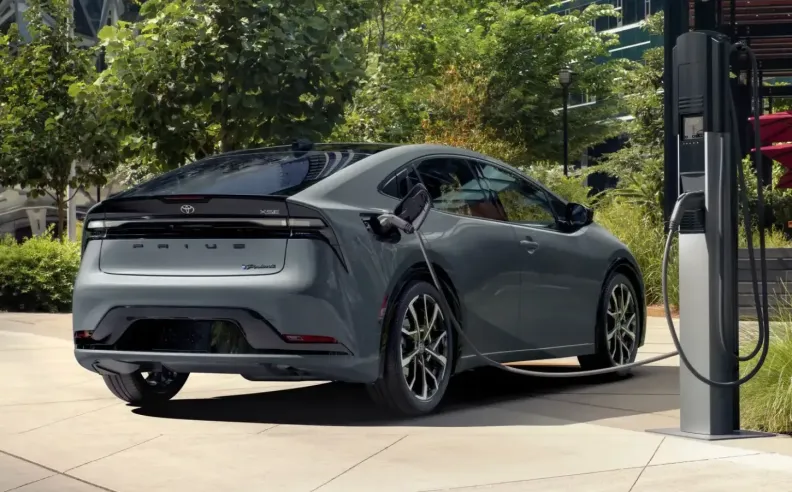
Traditional hybrid cars offer a clever way to reduce fuel consumption without requiring drivers to connect the vehicle to an external charger.
Instead, the battery is continuously managed while the vehicle is being driven. Energy that would normally be wasted during braking can be recovered, while the gasoline engine can also contribute to electricity generation when necessary.
The result is a system that constantly moves energy between the gasoline engine, electric motor and battery to improve efficiency.
In a conventional gasoline car, much of the kinetic energy created while driving is eventually converted into heat when the brake pads and discs slow the vehicle.
Hybrid cars can recover part of that energy.
When the driver releases the accelerator or presses the brake pedal, the electric motor can reverse its normal role and operate as a generator. Instead of using electricity to turn the wheels, the movement of the wheels drives the motor and produces electrical energy.
That electricity is then sent back to the hybrid battery for later use.
Regenerative braking becomes particularly useful in urban traffic, where drivers repeatedly accelerate and slow down. Every deceleration creates another opportunity to recover some of the energy that would otherwise be lost as heat.
Regenerative braking is not the only source of electricity in a conventional hybrid.
The vehicle control system constantly monitors factors such as battery charge, power demand, vehicle speed and engine efficiency. When necessary, the gasoline engine can provide power that allows the hybrid system to generate electricity.
Depending on the design of the vehicle, an electric motor generator can use energy from the gasoline engine to replenish the battery.
This does not create free energy. The electricity ultimately comes from fuel being burned by the engine, so the system tries to generate power only when doing so makes sense for overall efficiency.
The battery therefore acts as a temporary energy store rather than a large reserve that must always remain completely charged.
One of the most important parts of a hybrid vehicle is its energy management software.
At low speeds or under light acceleration, the electric motor may move the car by itself for short periods, depending on the vehicle and battery charge.
When stronger acceleration is needed, the gasoline engine and electric motor can work together. During steady driving, the system may rely more heavily on the gasoline engine if that represents the most efficient operating condition. When the vehicle slows again, regenerative braking sends recovered electricity back into the battery.
Drivers generally do not need to control these transitions. The vehicle computer continuously decides how energy should flow through the system.
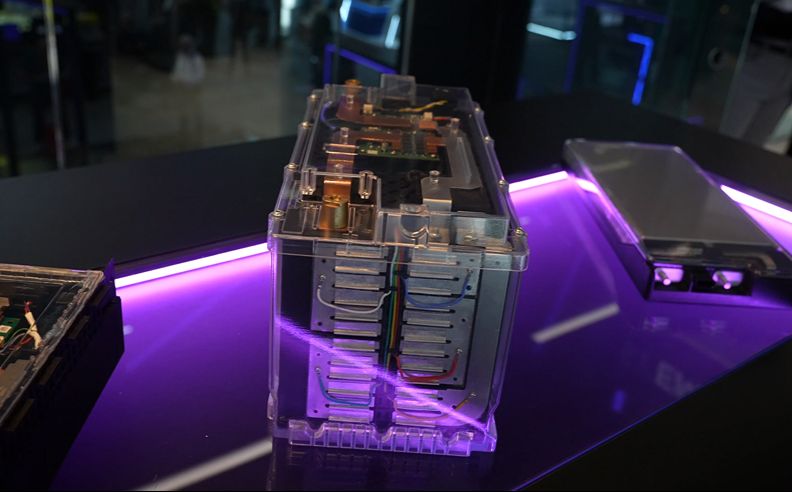
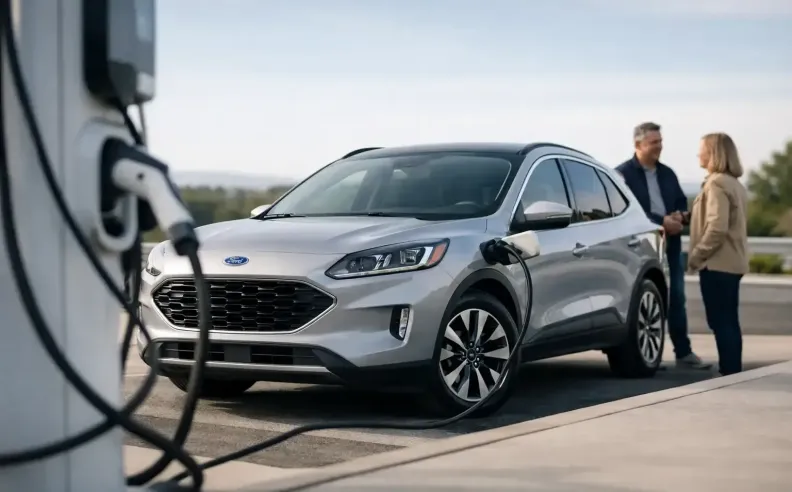
A conventional hybrid vehicle, commonly called an HEV, normally uses a relatively small high voltage battery. It does not need to be connected to an external charger because its battery is managed through regenerative braking and energy generated within the powertrain.
A plug in hybrid vehicle, commonly called a PHEV, uses a much larger battery that can provide significantly more electric driving range.
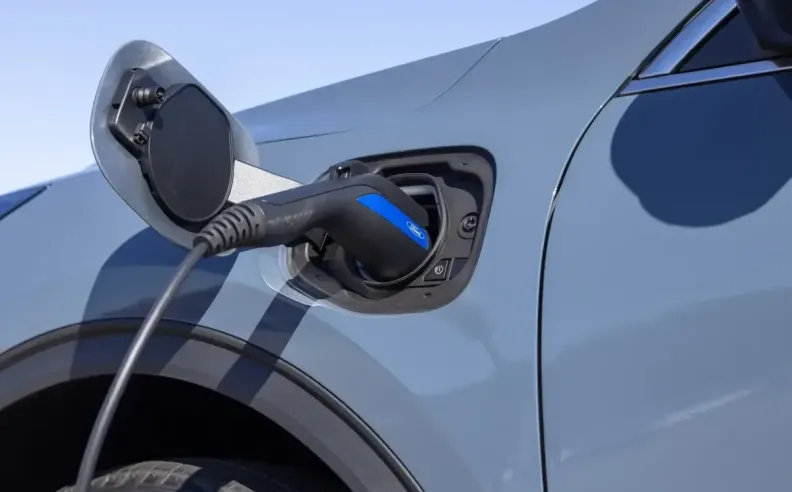
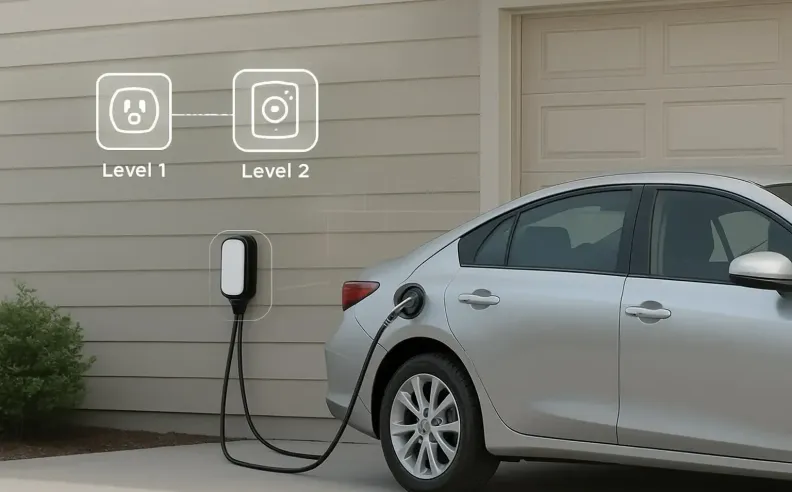
Plug in hybrids can still recover energy through regenerative braking, but their larger batteries are designed to receive substantial amounts of electricity from an external charging source.
Fully electric vehicles rely entirely on electricity for propulsion. Their batteries are primarily replenished through external charging, although regenerative braking can recover some energy while driving.
Hybrid cars therefore do not recharge themselves from nothing. Their advantage comes from recovering energy that would otherwise be wasted and intelligently managing when gasoline and electric power are used.
By combining regenerative braking, electric motors, a battery and a gasoline engine, a traditional hybrid can improve fuel efficiency without requiring the driver to plug the vehicle into a charger.

Started my career in Automotive Journalism in 2015. Even though I'm a pharmacist, hanging around cars all the time has created a passion for the automotive industry since day 1.


 SHARE
SHARE