Extended range electric vehicles combine quiet electric driving with an onboard generator that supplies energy when the battery level drops. This format can reduce dependence on public charging stations during long journeys, although most existing systems still burn conventional gasoline.
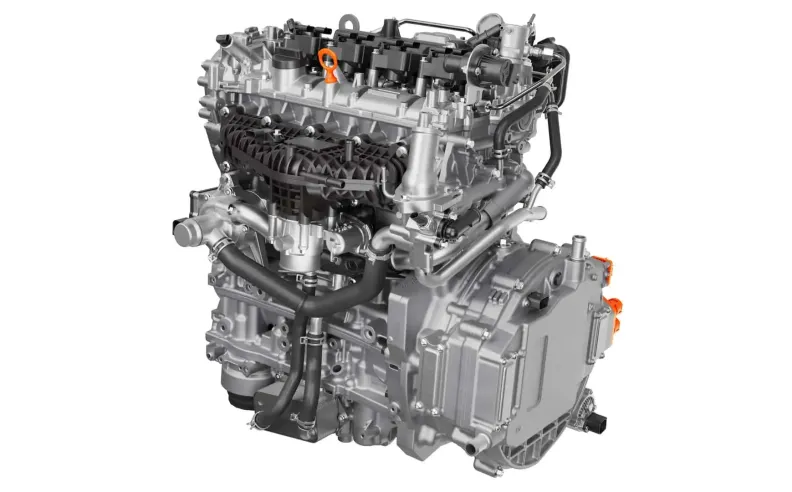
Horse Powertrain now presents a different approach through its D20 Methanol system. Created by the powertrain company backed by Renault Group and Geely, the new unit uses pure methanol instead of gasoline to generate electricity for the battery. The system combines a turbocharged engine, advanced power electronics and a compact generator within a package designed for future extended range electric vehicles.
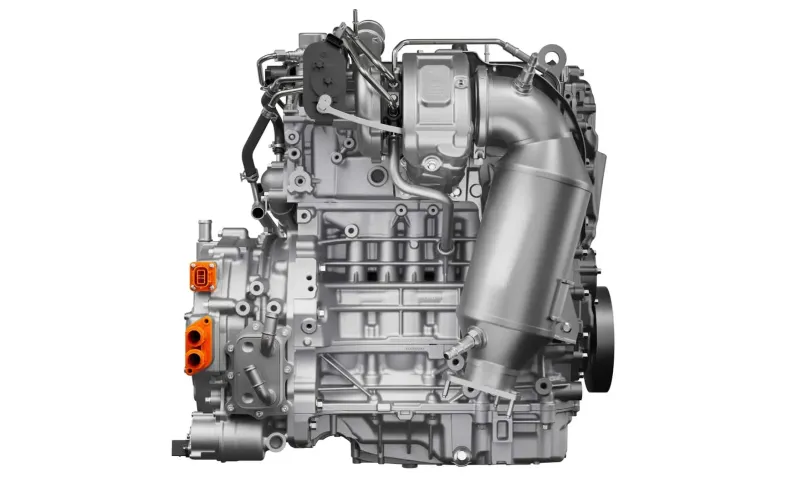
Uses the Horse D20 a 2.0 liter turbocharged four cylinder engine engineered to run entirely on methanol. The engine does not directly power the wheels. Instead, it operates as an onboard energy source that produces electricity for the battery while electric motors continue moving the vehicle.
Supports a high energy ignition system an extremely lean combustion process that reduces the amount of fuel required. Allows the engine pure methanol cold starts at temperatures as low as minus 35 degrees Celsius, helping address one of the major technical challenges associated with methanol fuel. Horse also designed the engine to comply with Euro 7 and China 6b emissions requirements.
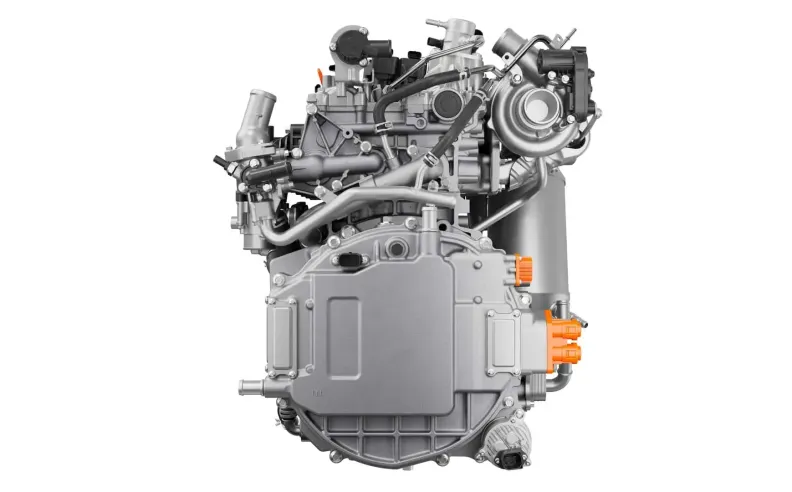
Connects the engine directly to an axial flux generator rather than a conventional radial flux unit. Uses the generator a flat internal design that reduces its length by 46 percent while increasing power density by approximately 63 percent. Produces the complete system up to 105 kilowatts of electrical output while keeping total weight at 170 kilograms.
Reaches the generator an electrical efficiency of 96.4 percent through its compact architecture and integrated silicon carbide power module. Helps this design reduce electrical and thermal losses while leaving manufacturers more freedom when fitting the system into vehicle platforms originally developed around battery power.
Achieves the D20 a claimed fuel to energy conversion efficiency of 47 percent during laboratory testing. Produces the system approximately one kilowatt hour of electricity for every 2.1 kilowatt hours of methanol energy consumed. This figure describes energy conversion efficiency rather than normal road fuel economy, since actual consumption will vary according to vehicle weight, battery condition, driving speed and climate.
Estimates Horse that the system could generate enough electricity to recharge a 40 kilowatt hour battery by consuming around 19.6 liters of methanol. This capability could give drivers additional flexibility on routes where rapid charging infrastructure remains limited, particularly during long distance travel.
Does not eliminate the need for charging the system entirely. Instead, it gives manufacturers another method for extending driving range while maintaining electric motor propulsion. Also depends its environmental advantage heavily on how the methanol is produced, since renewable methanol can offer a very different emissions profile from methanol created using fossil energy.
Represents the D20 ultimately a promising bridge between fully electric vehicles and traditional combustion powered cars. Combines it compact dimensions, high generator efficiency and alternative fuel compatibility to offer automakers a practical new option for drivers who want electric driving without relying exclusively on charging stations.

Started my career in Automotive Journalism in 2015. Even though I'm a pharmacist, hanging around cars all the time has created a passion for the automotive industry since day 1.


 SHARE
SHARE