As fully electric vehicle sales continue to grow at a slower pace than many automakers expected, more drivers are turning toward hybrid and plug in hybrid vehicles as a practical way to reduce fuel expenses. Recent real world testing has revealed that a simple driving strategy can significantly improve fuel efficiency in a plug in hybrid vehicle, helping owners get more value from every charge and every liter of fuel.
A 14 month ownership experience with a 2023 Volvo V90 plug in hybrid demonstrated how manually managing battery usage can unlock impressive efficiency gains. During a 400 kilometer journey that started with a fully charged battery, fuel consumption reached the equivalent of 22 kilometers per liter, proving that smart energy management can make a major difference.
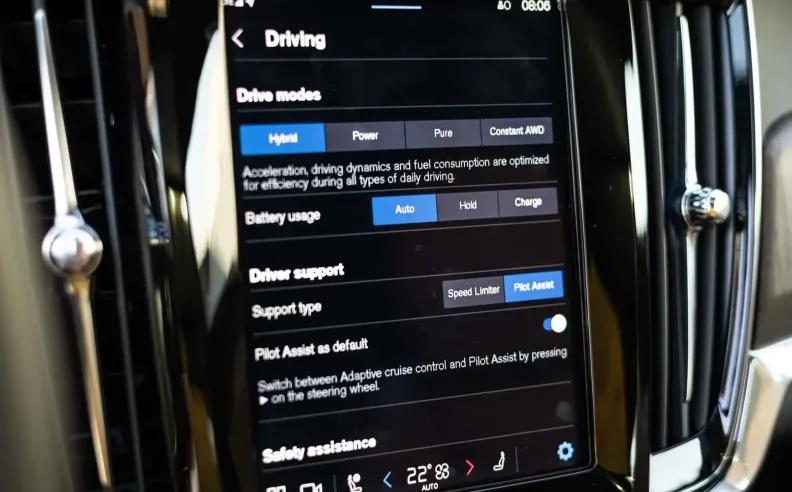
Many modern plug in hybrid vehicles offer different battery management settings, but most drivers simply leave the system in its default mode. The key to achieving better efficiency lies in actively controlling when the vehicle uses electricity and when it relies on the gasoline engine.
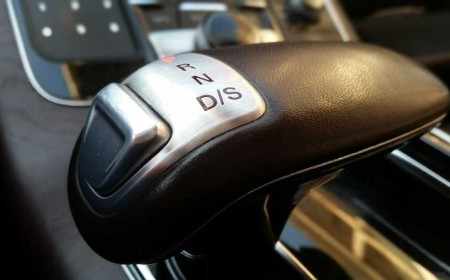
The strategy begins by activating Hold mode at the start of a trip while the battery is fully charged. This setting preserves the battery's energy and allows the gasoline engine to handle most of the driving duties during highway travel. The engine can still shut down during low speed driving or deceleration, but the majority of the battery charge remains available for later use.
Once the vehicle reaches urban areas or residential neighborhoods, the driver can switch to Auto mode. At lower speeds, electric driving becomes far more efficient, allowing the vehicle to operate quietly and without consuming fuel. By saving the battery for city driving instead of using it on the highway, owners can maximize the benefits of both power sources.
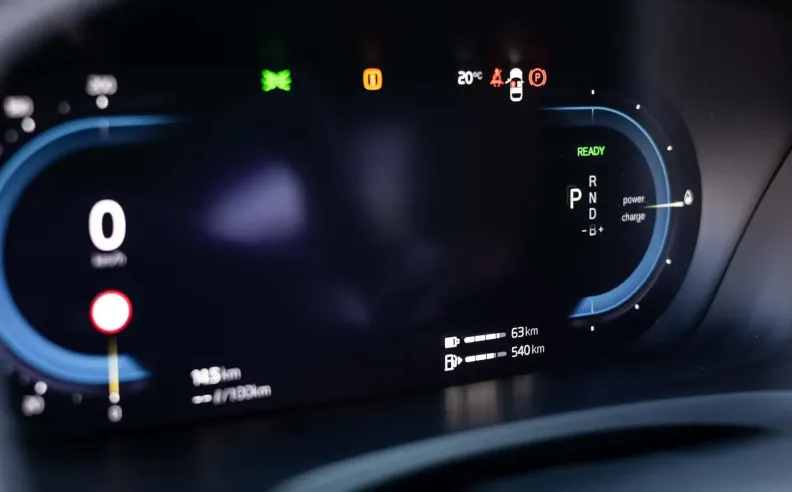
High speed driving places different demands on a vehicle's powertrain. While electric motors excel in stop and go traffic, their efficiency advantage becomes less significant at sustained highway speeds. Gasoline engines, particularly in modern hybrid systems, often perform more efficiently during long stretches of steady speed travel.
This is where Hold mode delivers its greatest advantage. By reserving battery power for city environments, drivers can use the gasoline engine where it performs best and deploy electric power where it offers the biggest efficiency gains. This approach becomes especially valuable in trips that combine highways, urban streets, and congested traffic.
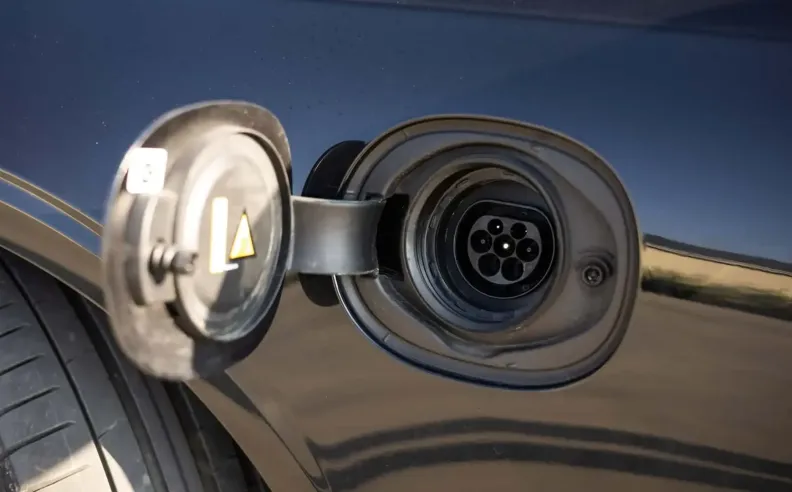
Drivers should keep in mind that the benefits decrease on extremely long journeys once the battery is eventually depleted. Charging limitations also play a role, as some plug in hybrid models support relatively slow charging speeds that make overnight home charging the most practical solution. Even so, consistent charging habits can generate substantial annual savings while also delivering a quieter cabin, smoother driving experience, and lower operating costs compared to many traditional SUVs.

Started my career in Automotive Journalism in 2015. Even though I'm a pharmacist, hanging around cars all the time has created a passion for the automotive industry since day 1.



 SHARE
SHARE