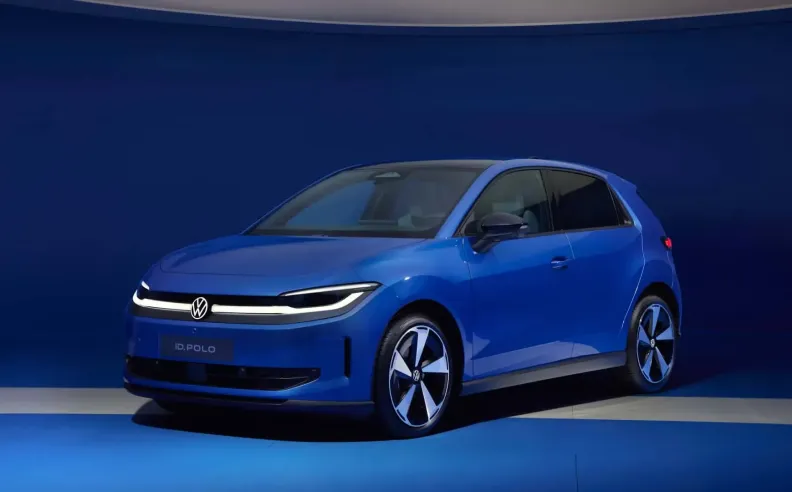
In a time where the global auto industry is debating the future of combustion engines, Volkswagen introduces a fresh perspective that shifts the conversation entirely. Instead of focusing on regulations or bans, the German brand presents a simple idea. The transition to electric vehicles will happen naturally, just like the shift from horses to gasoline cars more than a century ago. This approach speaks directly to modern drivers in Saudi Arabia and beyond who value practicality, performance, and long term efficiency.
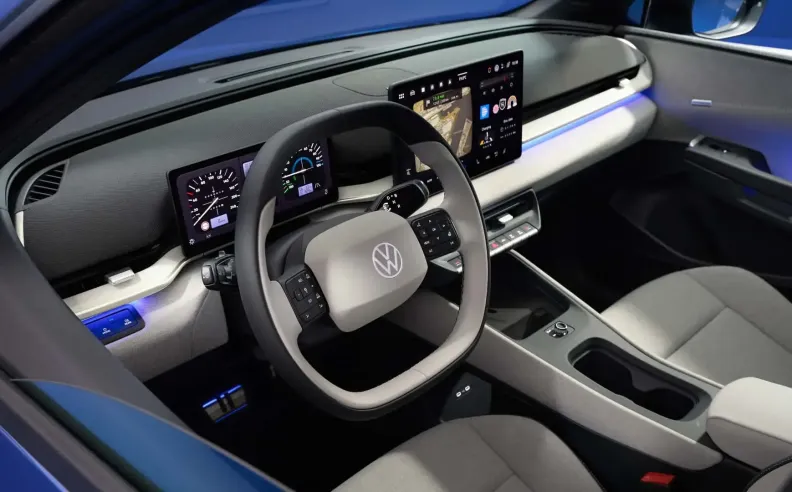
Volkswagen uses a historical comparison to make its point clear. Martin Sander, a board member responsible for sales and marketing, asks a simple question. When were horses ever banned? The answer highlights the idea that people stopped relying on horses not because of laws, but because cars became more efficient and easier to use.
He explains that the same shift will happen with electric vehicles. Drivers will gradually realize that EVs offer better convenience, lower operating costs, and smoother performance for daily use. Instead of forcing consumers through strict policies, Volkswagen believes that showing real advantages will naturally drive adoption. This mindset aligns with a broader industry view, where companies focus on improving technology rather than relying on regulation alone.
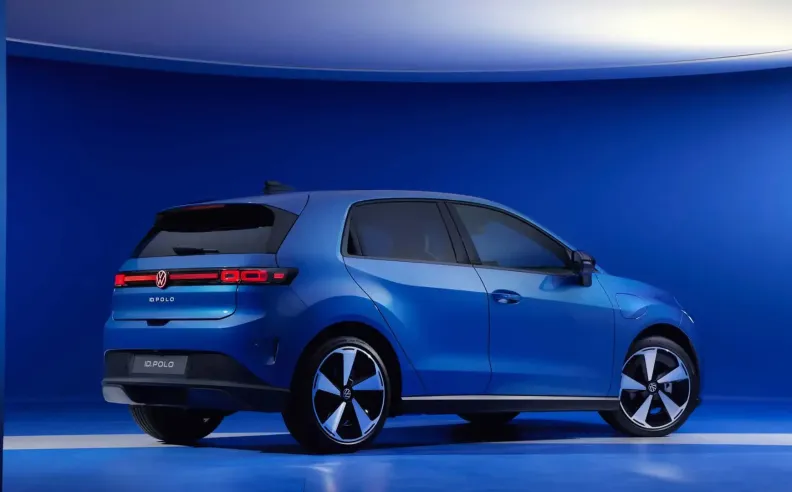
Volkswagen outlines a clear plan built around three main pillars. First, the company focuses on expanding charging infrastructure to make EV ownership more practical. Second, it emphasizes positive marketing that highlights the real benefits of electric driving instead of pushing fear of restrictions. Third, it looks at energy pricing to ensure electricity remains competitive compared to fuel.
These efforts come at a time when the European Union adjusts its 2035 regulations. Instead of a full ban, the updated rules allow limited combustion engine sales as long as emissions are reduced significantly. Volkswagen sees this flexibility as realistic. The brand expects a small percentage of drivers to still prefer gasoline cars, but believes the majority will move toward electric options once the advantages become clear.

Started my career in Automotive Journalism in 2015. Even though I'm a pharmacist, hanging around cars all the time has created a passion for the automotive industry since day 1.


 SHARE
SHARE