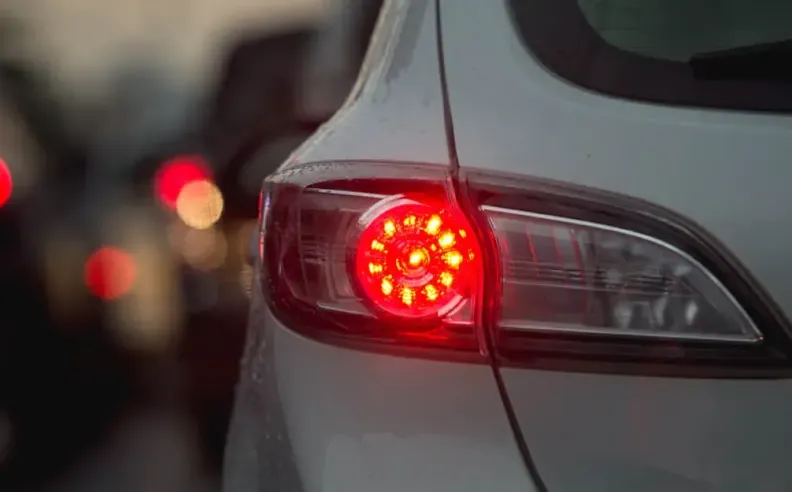
Look at the rear of almost any car and you will immediately recognize a familiar lighting language. Brake lights glow red, while turn signals may flash amber or, particularly on some vehicles built for North America, red.
Those colors are not simply design choices. They are governed by safety regulations and intended to help drivers understand what the vehicle ahead is doing as quickly as possible.
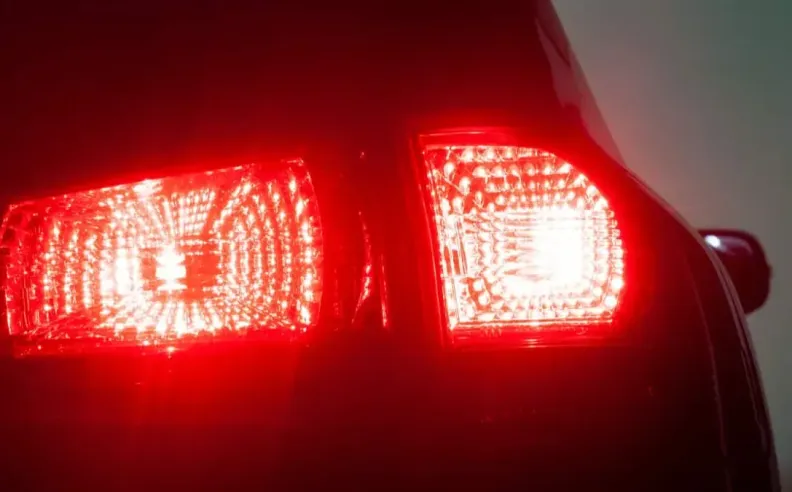
In the United States, Federal Motor Vehicle Safety Standard 108 requires stop lamps to emit red light. The same basic convention is used across many international markets, making red one of the most recognizable vehicle warning colors.
The purpose is simple. When the brake lights illuminate, drivers behind immediately associate the red signal with slowing or stopping.
Modern vehicles also use a centrally mounted third brake light, providing another clear visual indication when the driver applies the brakes.
Keeping these signals consistently red helps create a predictable visual language that drivers can recognize without having to think about it.
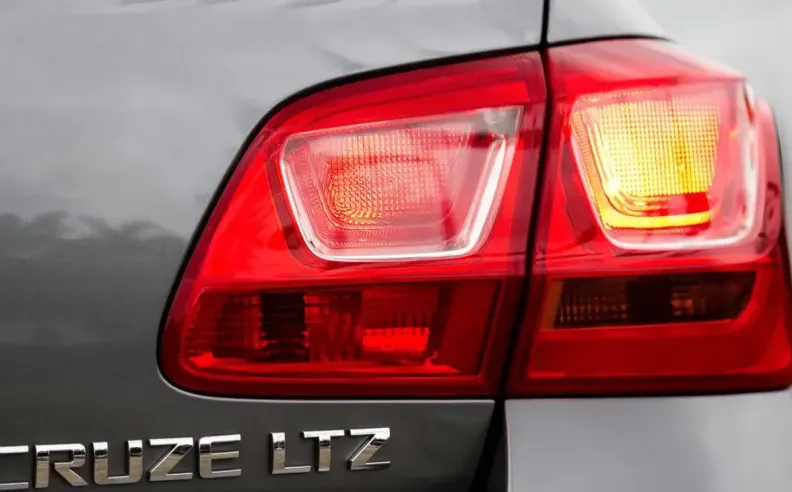
A turn signal communicates something different from a brake light. Instead of simply telling another driver that the vehicle is slowing down, it indicates an intention to change direction or lanes.
Using amber creates an immediate color difference between those two messages.
NHTSA research comparing vehicles with red and amber rear indicators found that amber signals were associated with a reduction in certain relevant crashes. Its analysis estimated amber rear turn signals to be around 5.3 percent more effective than red signals in the crash situations studied.
That visual separation can make it easier for another driver to distinguish between braking and turning, particularly when several rear lights are operating at the same time.
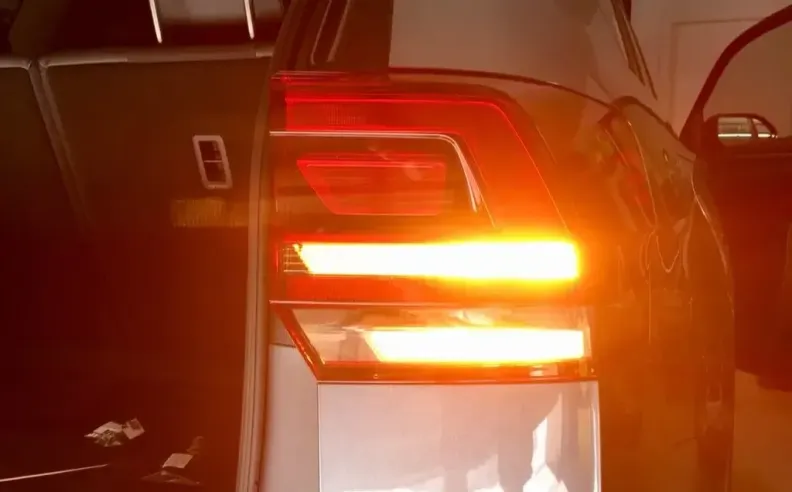
US regulations give manufacturers more flexibility than many international standards.
FMVSS 108 permits rear turn signals to use either red or amber light, while brake lamps must remain red. This means manufacturers can design separate amber indicators or integrate a red turn signal into the same rear lighting assembly used for other functions.
Historically, red rear turn signals have been common among American manufacturers, partly because combining lighting functions can simplify the rear lamp design.
UNECE regulations used across Europe and many other markets take a different approach. Direction indicators are specified as amber, while stop lamps are red.
This explains why the same vehicle can sometimes have different rear light configurations depending on where it is sold.
LED technology gives designers much more freedom than traditional bulbs.
A modern rear light assembly can contain several individual lighting elements, allowing manufacturers to create separate patterns for braking, signaling and other functions without requiring large additional lamp housings.
This makes it easier to give each signal a distinctive visual identity while still creating complex and recognizable lighting designs.
Some cars now use sequential amber turn signals, where the illuminated elements move outward to make the intended direction even clearer.

Started my career in Automotive Journalism in 2015. Even though I'm a pharmacist, hanging around cars all the time has created a passion for the automotive industry since day 1.



 SHARE
SHARE