Traffic lights are such a familiar part of everyday driving that most people rarely think about why they use red, yellow and green. These three colors help millions of drivers navigate intersections, manage traffic flow and avoid collisions every day.
However, their selection was not random. The familiar system developed through more than a century of transportation history, drawing on railway signaling, visual science and engineering principles to create a language that drivers can recognize almost instantly.
The origins of modern traffic signal colors can be traced to railway systems in the nineteenth century, long before cars became common.
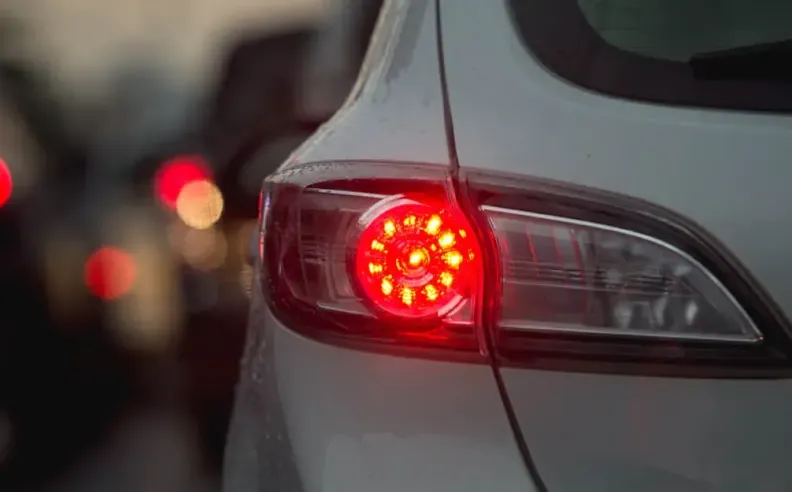
Red was already widely associated with danger and stopping. It also has the longest wavelength among the three standard traffic signal colors, which influences how light interacts with the atmosphere.
Green eventually became the standard indication that traffic could proceed, providing a recognizable distinction from red. Early railway systems did not always use colors consistently, but their development helped establish the meanings drivers recognize today.
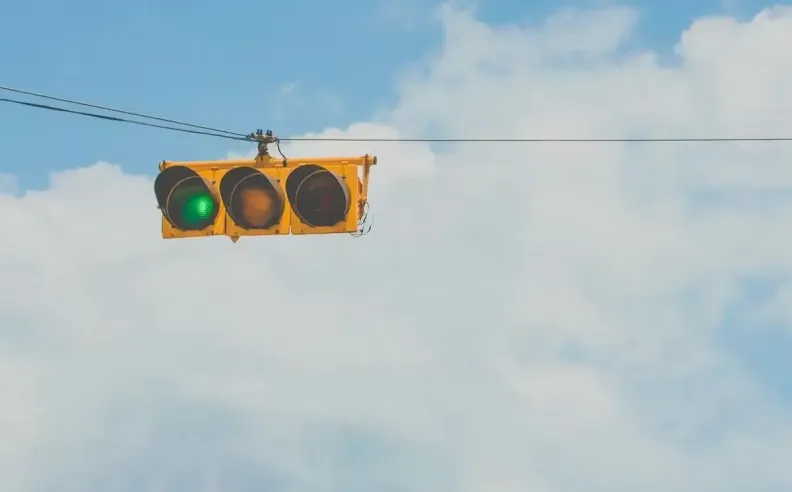
Yellow was introduced into modern road signals to warn drivers that the green phase was ending and that they should prepare to stop when it was safe to do so.
Together, these colors created a simple communication system that could be understood quickly without requiring drivers to read instructions.
The first traffic signal appeared outside the Houses of Parliament in London in December 1868, decades before automobiles dominated city streets.
Designed by railway manager John Peake Knight, the device was intended to control horse drawn carriages and protect pedestrians at a busy intersection.
Unlike modern traffic lights, this early system relied on mechanical arms operated by a police officer. At night, red and green gas lamps communicated whether traffic should stop or proceed with caution.
Unfortunately, a gas leak caused an explosion in early 1869, injuring the police officer operating the device. The experiment was abandoned, but the concept remained influential.
Electric traffic signals began appearing in American cities during the early twentieth century. Cleveland introduced an electric red and green system in 1914, while Detroit helped popularize the familiar three color arrangement in 1920.
These developments paved the way for increasingly automated traffic management systems. Traffic signal engineering goes beyond the choice of colors. Their physical arrangement is equally important.
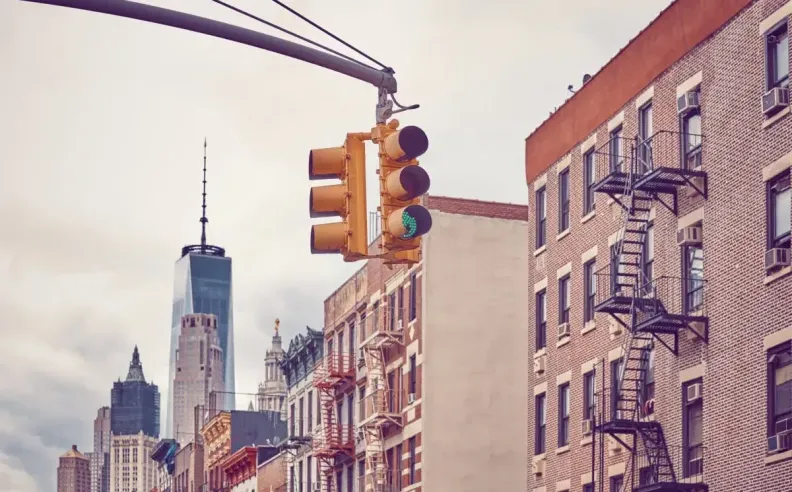
In conventional vertical traffic lights, red appears at the top, yellow occupies the middle and green sits at the bottom.
This standardized layout provides an additional visual clue for drivers who have difficulty distinguishing certain colors, particularly red and green.
Even when color recognition is challenging, drivers can identify the illuminated signal through its familiar position. Consistent placement also reduces confusion when traveling between different roads and regions.
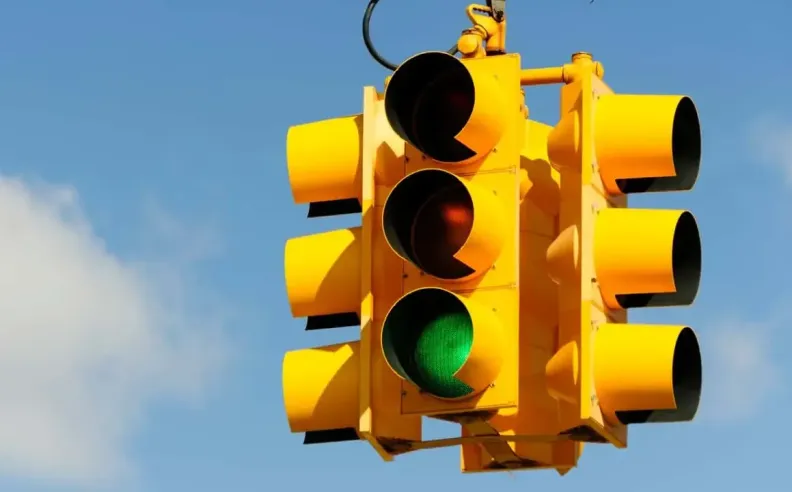
Each traffic light color occupies a different part of the visible spectrum.
Red has a longer wavelength than yellow or green and generally experiences less wavelength dependent scattering in the atmosphere. However, visibility through fog, rain and other challenging conditions depends on several factors, including droplet size, light intensity and the design of the signal itself.
Yellow is highly noticeable and works as an effective warning color, helping drivers recognize that a change in traffic conditions is approaching.
Green provides a clearly differentiated signal for permitted movement, with its appearance carefully controlled by modern lighting standards.
The success of traffic signals comes from combining these recognizable colors with consistent meanings rather than relying on wavelength alone.
Modern traffic lights combine standardized arrangements, carefully selected light intensities and reliable electronic controls to improve visibility and safety.
The familiar red, yellow and green traffic light is more than a simple roadside device. It represents generations of engineering improvements, transportation lessons and scientific understanding. What began with railway signals and gas lamps has evolved into one of the most widely recognized safety systems in the world.

Started my career in Automotive Journalism in 2015. Even though I'm a pharmacist, hanging around cars all the time has created a passion for the automotive industry since day 1.


 SHARE
SHARE