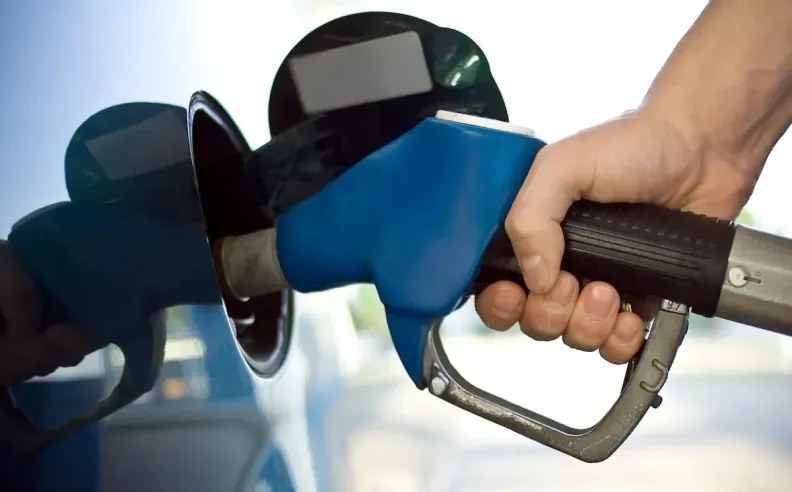
Most drivers see three gasoline choices at the pump: regular fuel with an 87 octane rating, midgrade fuel with an 89 octane rating and premium fuel that may carry a rating of 92, 93 or 95.
It seems reasonable to assume that every grade comes from a separate underground tank. However, many fuel stations use only two main gasoline tanks. One contains regular fuel, while the other contains premium fuel. The pump creates the midgrade option by blending fuel from both tanks as the driver fills the vehicle.
This process is not a shortcut that reduces fuel quality. It is an efficient system designed to provide several octane choices without requiring a separate tank for every grade.
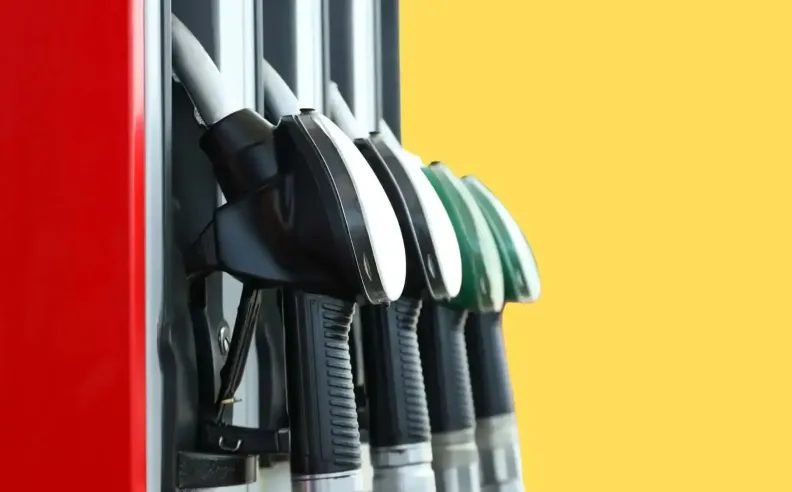
The dispenser connects to separate lines carrying regular and premium gasoline. When the driver selects regular fuel, the pump draws gasoline directly from the regular tank. Selecting premium causes it to draw fuel from the premium tank.
Selecting midgrade activates a calibrated blending system. The dispenser draws specific amounts from both tanks and combines them before the gasoline reaches the nozzle.
The required blend depends on the octane ratings stored at the station. A station offering 87 and 93 octane fuel can create an 89 octane option by combining a larger amount of regular gasoline with a smaller amount of premium gasoline.
Modern dispensers use controlled valves and electronic measurement systems to maintain the required ratio throughout the fueling process.
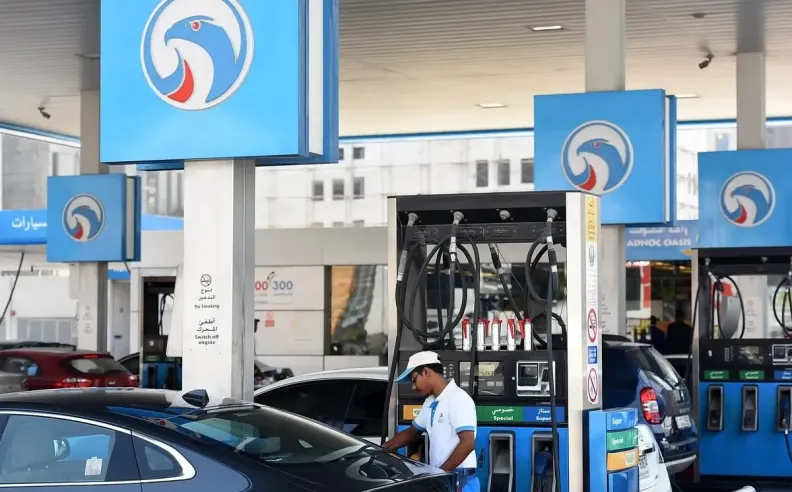
Installing an underground fuel tank requires significant construction work, environmental protection systems and ongoing inspection. Each additional tank also creates more maintenance, monitoring and inventory management responsibilities.
Midgrade gasoline often represents a smaller share of total fuel sales than regular or premium gasoline. Keeping a dedicated tank for a product with lower demand may therefore make little financial sense for many stations.
A blending dispenser allows the station to offer three octane choices while storing only two main grades. It also gives operators greater flexibility because they only need to manage the supply of regular and premium gasoline.
This system has become a practical way to reduce infrastructure costs without removing an important fuel option from the pump.
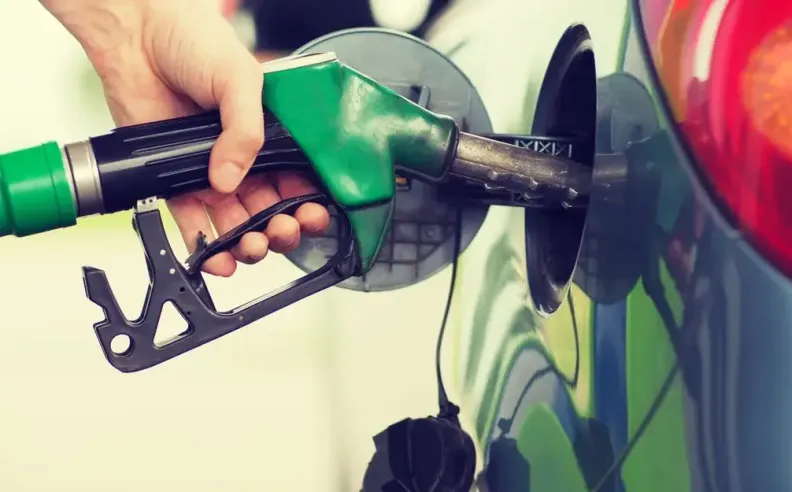
Properly blended midgrade gasoline does not harm an engine simply because it comes from two different tanks. Regular and premium gasoline are compatible fuels, and the dispenser combines them to achieve a specific octane rating.
Octane does not measure fuel purity or energy content. It measures how well gasoline resists uncontrolled combustion inside the engine.
An engine designed for regular gasoline usually gains little from premium fuel unless the manufacturer recommends or requires it. An engine that requires premium gasoline may experience reduced performance or engine knocking when operated with fuel that has an insufficient octane rating.
The important factor is not whether the fuel was blended inside the pump. The important factor is whether the final octane rating matches the recommendation listed by the vehicle manufacturer.
Fuel dispensers rely on carefully calibrated valves and measurement equipment. These components control how much gasoline enters the mixture from each underground tank.
Stations must also maintain accurate fuel delivery systems to ensure customers receive the quantity and grade shown on the pump. Inspection and calibration requirements vary by country and local authority, but modern dispensers are designed to produce repeatable blending ratios.
The finished midgrade fuel mixes further as it travels through the hose and enters the vehicle tank. Gasoline blends easily, so the two grades do not remain separated inside the vehicle.
Drivers should still select fuel according to the owners manual or the label near the fuel door. Choosing the recommended grade gives the engine the level of knock resistance intended by its manufacturer.

Started my career in Automotive Journalism in 2015. Even though I'm a pharmacist, hanging around cars all the time has created a passion for the automotive industry since day 1.


 SHARE
SHARE