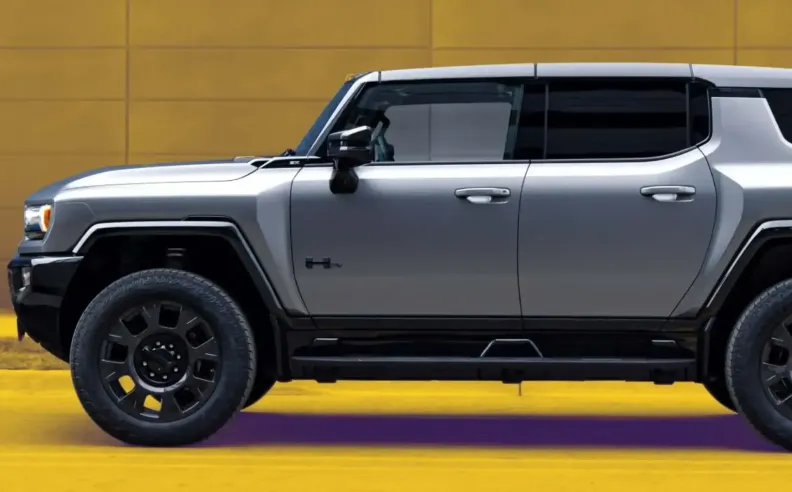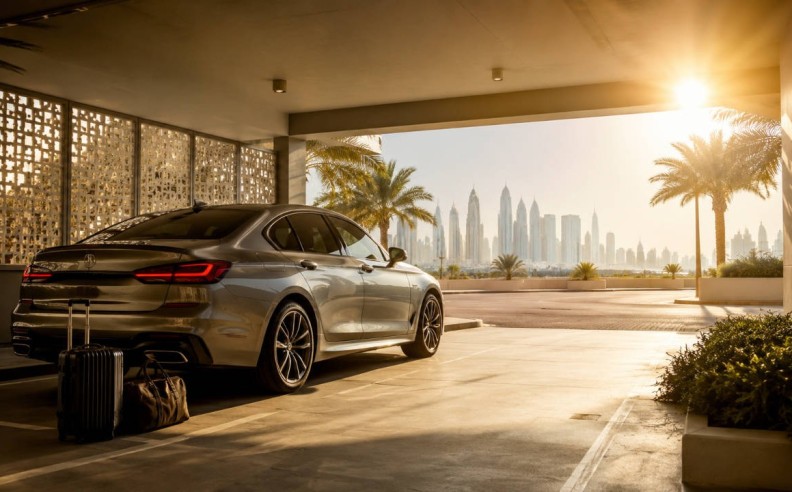
Summer holidays are the perfect time to travel, but leaving a car parked for weeks in extreme heat can create unexpected problems. High temperatures, dust, and long periods without driving can affect everything from the battery and tyres to the paint, interior, and fluids. Fortunately, a little preparation before leaving can keep your vehicle in excellent condition and help you avoid expensive repairs when you return.
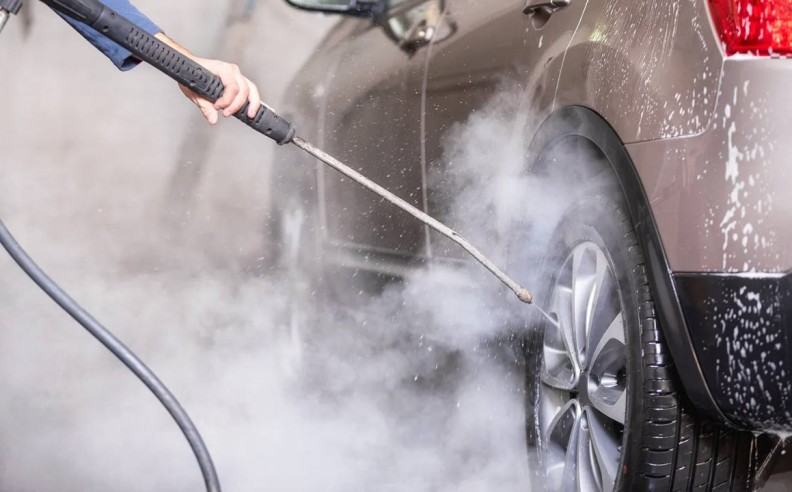
Start by choosing the best possible parking location. Covered or indoor parking offers the best protection from direct sunlight, dust, and bird droppings. If indoor parking is not available, use a high quality breathable car cover after thoroughly washing and drying the vehicle. This helps protect the paint while preventing trapped moisture and scratches.
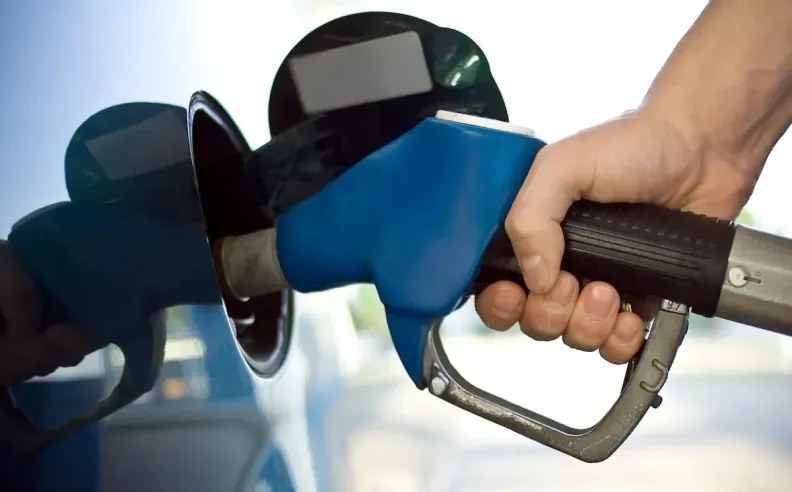
Cleaning the car is just as important as choosing the right parking spot. Remove dirt, bird droppings, tree sap, and road grime from the exterior, then clean the cabin by removing food, drinks, and rubbish that could create unpleasant odors or attract insects. Unplug accessories such as dash cameras and phone chargers that may slowly drain the battery. Before leaving, check all essential fluids, including engine oil, coolant, brake fluid, washer fluid, transmission fluid, and power steering fluid. Keeping the fuel tank mostly full also helps reduce moisture inside the tank during storage.
The battery is one of the most common components to fail when a vehicle sits unused. Modern cars continue drawing small amounts of electricity for alarms, remote entry systems, and onboard electronics. If the vehicle will remain parked for more than a few weeks, consider using a battery maintainer if indoor power is available, disconnecting the negative battery terminal if recommended by the manufacturer, or asking someone to drive the vehicle every one or two weeks instead of simply starting the engine.
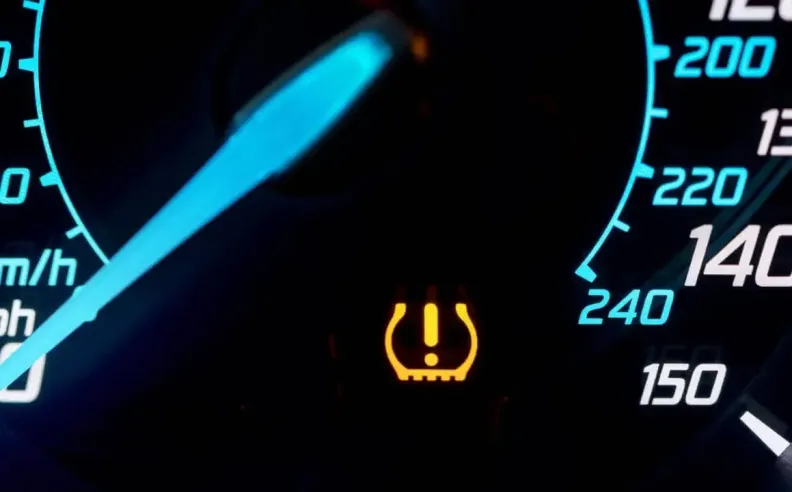
Tyres also deserve attention before storage. Inflate them to the manufacturer recommended pressure and inspect them for damage or excessive wear. Long periods without movement can create flat spots, so having someone move the vehicle occasionally is beneficial during extended absences.
Electric and hybrid vehicles require similar preparation. Owners should leave the high voltage battery with approximately 50 to 60 percent charge, avoid storing it completely full or nearly empty, and follow any specific recommendations provided by the manufacturer. Parking in a shaded location remains equally important for protecting both conventional and electrified vehicles.

Started my career in Automotive Journalism in 2015. Even though I'm a pharmacist, hanging around cars all the time has created a passion for the automotive industry since day 1.


 SHARE
SHARE