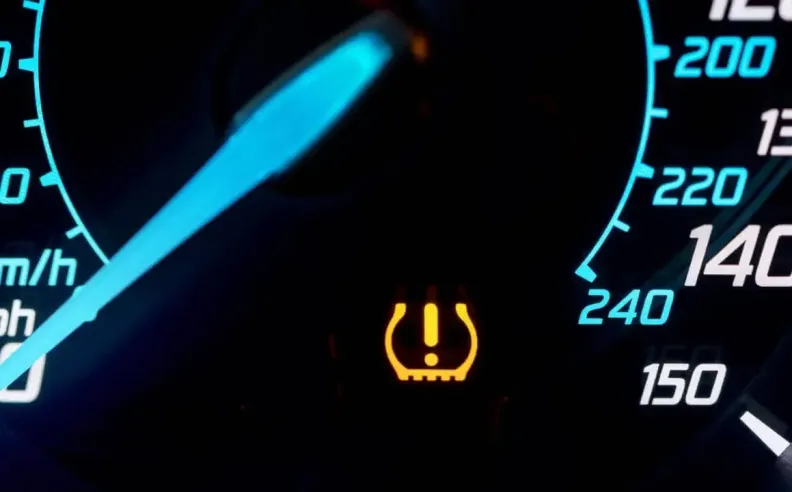
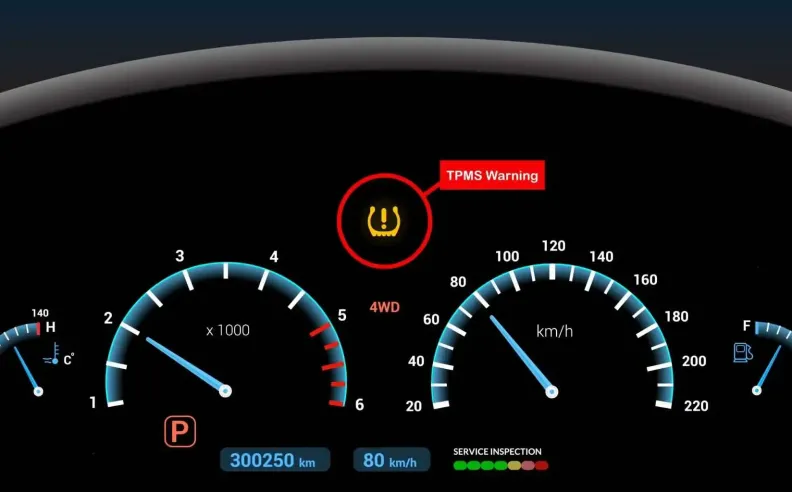
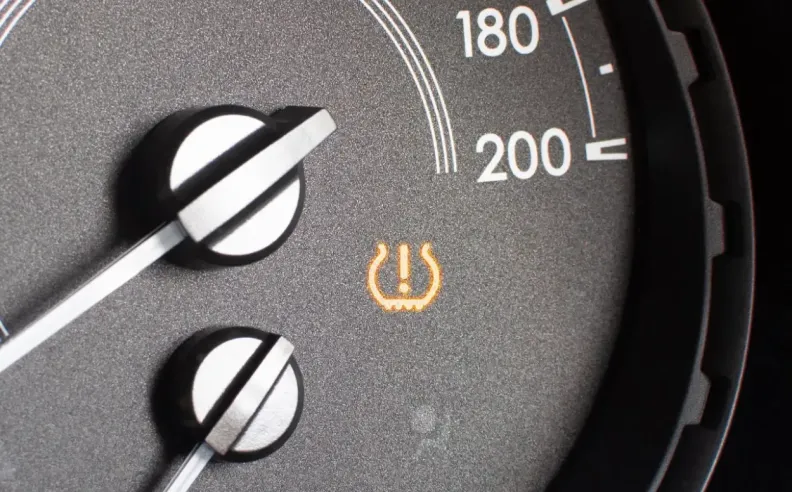
Starting the car on a cold winter morning can sometimes bring an unexpected tire pressure warning light on the dashboard. Many drivers immediately assume that a tire has been punctured, but the real cause is often a simple change in temperature.
Cold air affects the pressure inside every tire, even when there is no leak or visible damage. Understanding this effect helps drivers respond correctly instead of ignoring the warning or adding too much air.
Cold temperatures cause the air inside a tire to lose energy. The air molecules move more slowly and create less pressure against the inner walls of the tire.
As a general rule, tire pressure drops by about one PSI whenever the outside temperature falls by around 5.5 degrees Celsius. A major overnight temperature drop can therefore lower the pressure enough to activate the tire pressure monitoring system.
The warning light may disappear after driving because the tires become warmer through contact with the road. The air inside them also heats up and expands slightly. However, this temporary increase does not always mean the tires have reached the correct pressure.
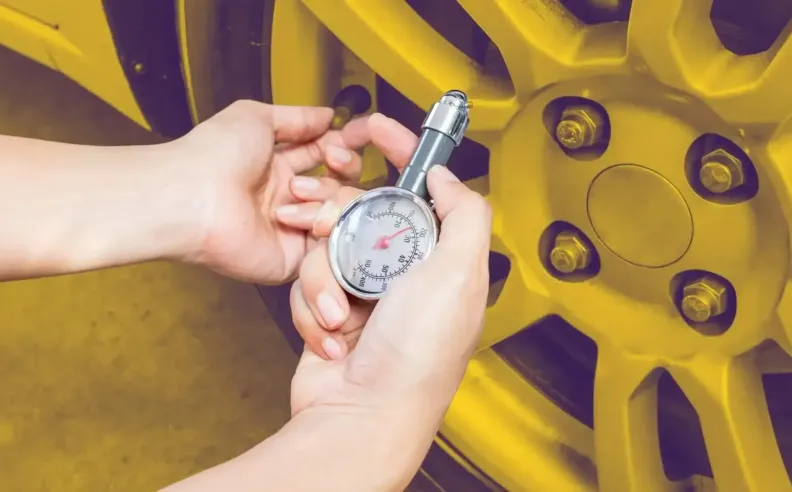
Drivers should still check all four tires with a pressure gauge. A warning that disappears after a few minutes can still indicate that the tires were underinflated when cold.
Low tire pressure increases rolling resistance. The engine must work harder to move the vehicle, which can increase fuel consumption. In an electric car, it can also reduce the available driving range.
Underinflated tires also bend more as they rotate. This extra movement creates heat and places additional stress on the sidewalls. Over time, it can shorten tire life and cause uneven wear.
Steering response may become slower, especially during sudden turns or emergency maneuvers. Braking distances can also increase when the road is wet, snowy or covered with ice.
A tire with insufficient pressure is more vulnerable to damage from potholes and sharp road edges. The reduced air cushion gives the tire and wheel less protection against a strong impact.
The correct tire pressure is usually printed on a label inside the driver door opening. The same information may also appear in the owner manual or within the vehicle settings on newer models.
Drivers should not use the pressure number printed on the side of the tire as their target. That number usually represents the maximum pressure supported by the tire, not the recommended operating pressure for the vehicle.
Some vehicles require different pressure levels for the front and rear tires. Manufacturers may also recommend a higher pressure when carrying several passengers or heavy luggage.
The recommended figure is selected according to the weight, suspension, tire size and handling characteristics of the vehicle. Following that number helps preserve comfort, stability and tire performance.

Started my career in Automotive Journalism in 2015. Even though I'm a pharmacist, hanging around cars all the time has created a passion for the automotive industry since day 1.


 SHARE
SHARE