Modern cars have evolved from mechanical machines into advanced computers on wheels. This transformation has improved safety, comfort and convenience, but it has also made repairs far more expensive. A minor impact that once required a simple bumper replacement can now damage cameras, radar units and electronic sensors hidden behind the bodywork.
Repair bills have also increased because many replacement parts must be programmed and calibrated before the vehicle can return to the road. As a result, drivers now need to consider long term maintenance costs as carefully as the original purchase price.
Modern bumpers no longer serve only as protective plastic panels. Manufacturers now place radar sensors, parking sensors and driver assistance components behind them. These systems support features such as adaptive cruise control, automatic emergency braking and blind spot monitoring.
A small collision can therefore damage several electronic components even when the bumper appears only lightly scratched. Repairing the vehicle may require replacing the bumper, installing new sensors, checking the wiring and recalibrating the radar system.
Windshield replacement has also become more complicated. Many modern vehicles place cameras near the top of the windshield to monitor road markings, traffic signs and surrounding vehicles. Replacing the glass often requires technicians to recalibrate these cameras so lane assistance and emergency braking systems continue to operate correctly.
Software adds another layer of expense. A new component may need to be connected to the vehicle through specialized diagnostic equipment before it can communicate with the rest of the electronic network. These extra steps increase both labor time and the total repair bill.
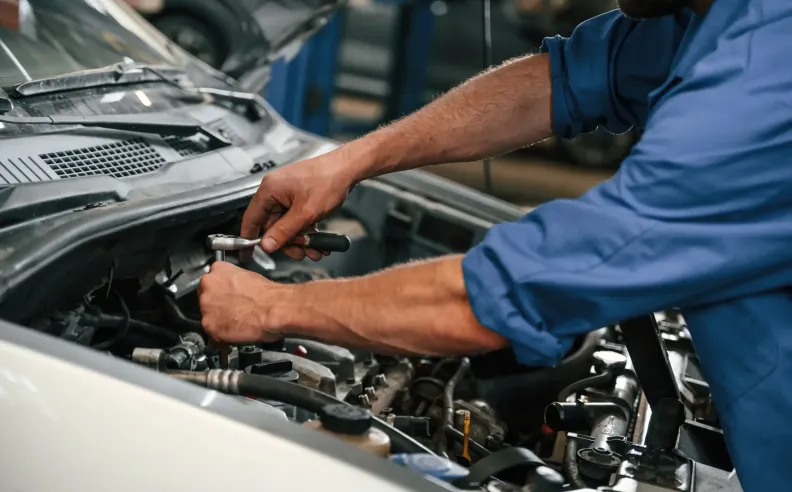
Electric cars often require less routine mechanical maintenance because they have fewer moving parts, no engine oil and fewer traditional engine components. However, this does not always mean they are cheaper to repair after a collision or major technical failure.
Electric vehicles use high voltage battery packs, electric motors and advanced cooling systems that require trained technicians and strict safety procedures. Battery repairs can be especially expensive because many packs are large, complex and difficult to access.
Electric cars also use the same cameras, computers, sensors and driver assistance systems found in modern gasoline vehicles. This means a damaged bumper, windshield or body panel can create similar calibration and programming costs.
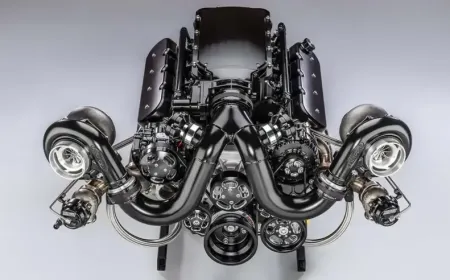
Modern gasoline cars bring their own repair challenges. Turbochargers, direct injection systems, hybrid components and advanced emissions equipment increase the number of parts that may eventually require attention. Specialized labor and expensive diagnostic tools also raise the hourly cost of service.
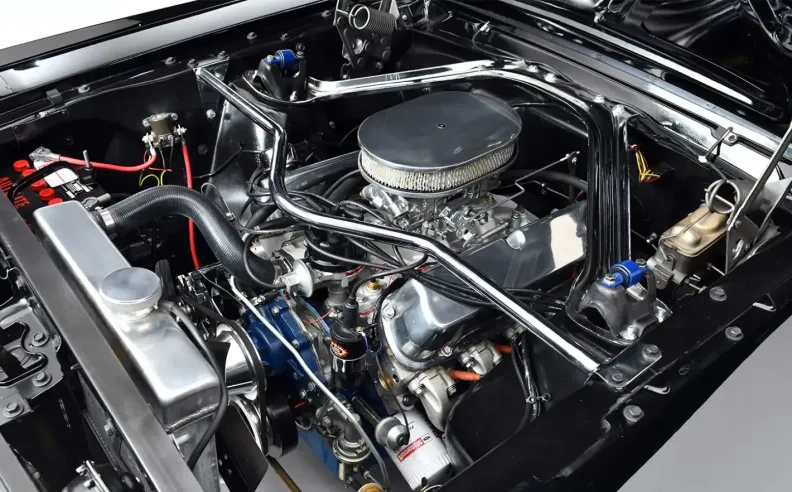
Older vehicles remain attractive to some drivers because their simpler mechanical systems can often be repaired with basic tools and widely available parts. Modern cars deliver far greater safety and comfort, but their advanced technology has made maintenance costs an increasingly important part of vehicle ownership.

Started my career in Automotive Journalism in 2015. Even though I'm a pharmacist, hanging around cars all the time has created a passion for the automotive industry since day 1.


 SHARE
SHARE