one pedal driving, regenerative braking, electric cars, EV braking, EV efficiency, electric vehicle brakes, regenerative braking system
One pedal driving is one of the first features many drivers notice when switching to an electric car. Instead of simply coasting when the accelerator is released, the car begins to slow down more strongly and can often come to a complete stop without the driver touching the brake pedal.
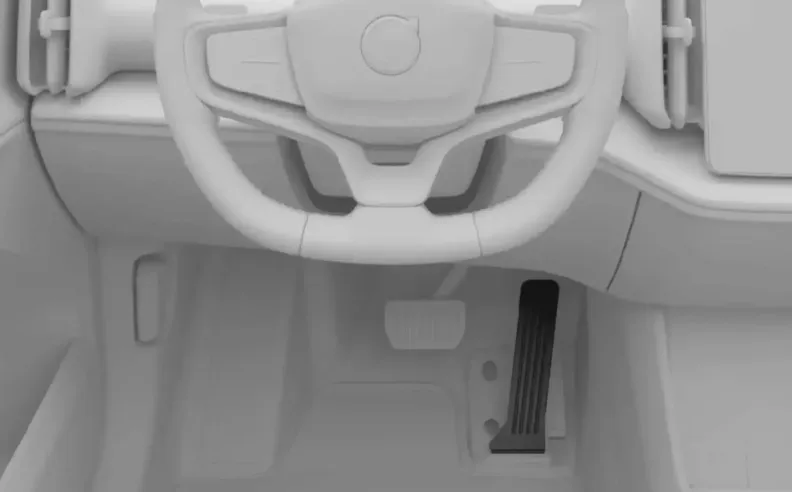
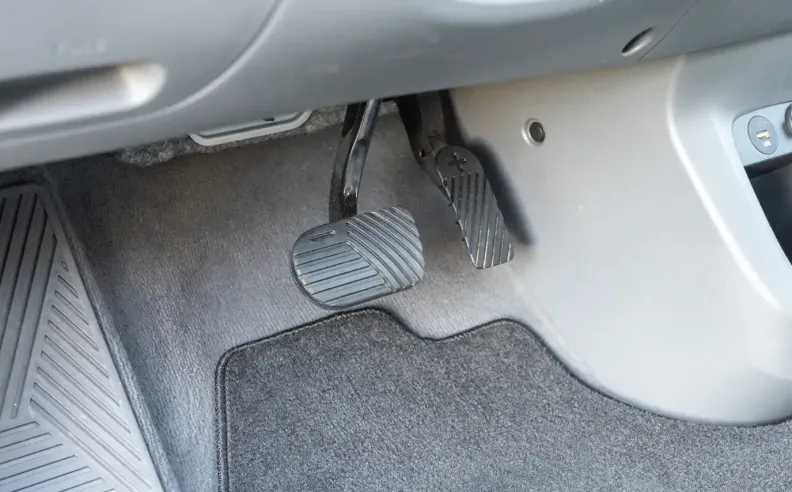
The name can be slightly misleading. One pedal driving does not remove the traditional brake pedal. It simply allows the driver to control most everyday acceleration and deceleration through the accelerator pedal alone.

One pedal driving relies on regenerative braking. When the driver lifts off the accelerator, the electric motor changes its role and begins working as a generator instead of only consuming electricity.
This creates resistance that slows the wheels while converting part of the vehicle's motion back into electrical energy. That energy is then sent to the main battery instead of being lost entirely as heat.
Traditional friction brakes are still fitted and remain fully available. They are used when stronger braking is needed, during emergency stops or when regenerative braking cannot provide enough stopping force.
Yes, it can significantly reduce how often the traditional brake pads and discs are used during normal driving.
In a gasoline car, much of the energy created during deceleration is lost as heat through the brakes. In an electric car, regenerative braking can recover part of that energy before the friction brakes are needed.
This can help brake components last longer, especially for drivers who spend a lot of time in city traffic where slowing down and stopping happen frequently.
The mechanical brakes still require regular inspection, however. In some electric cars, limited use can even make corrosion more important to monitor over time.
One pedal driving can make stop and go traffic feel smoother and less tiring. The driver can accelerate by pressing the pedal and control most deceleration simply by easing off it.
The system is also particularly effective in urban driving because frequent slowing creates more opportunities to recover energy.
This recovered energy can contribute to better overall efficiency and help extend the available driving range.
On highways, however, strong regenerative braking is not always the most efficient choice. Allowing the car to coast freely can sometimes conserve more energy when maintaining a steady speed.
The traditional brake pedal remains an essential safety system. Drivers still need it for emergency braking, sudden obstacles, steep descents and situations where stronger stopping power is required.
Regenerative braking strength can also change depending on battery temperature, battery charge level and vehicle settings. A nearly full battery may accept less recovered energy, which can reduce the amount of regenerative braking available.
Many electric cars therefore allow drivers to adjust the strength of regeneration or switch back to a more traditional driving feel.

Started my career in Automotive Journalism in 2015. Even though I'm a pharmacist, hanging around cars all the time has created a passion for the automotive industry since day 1.



 SHARE
SHARE