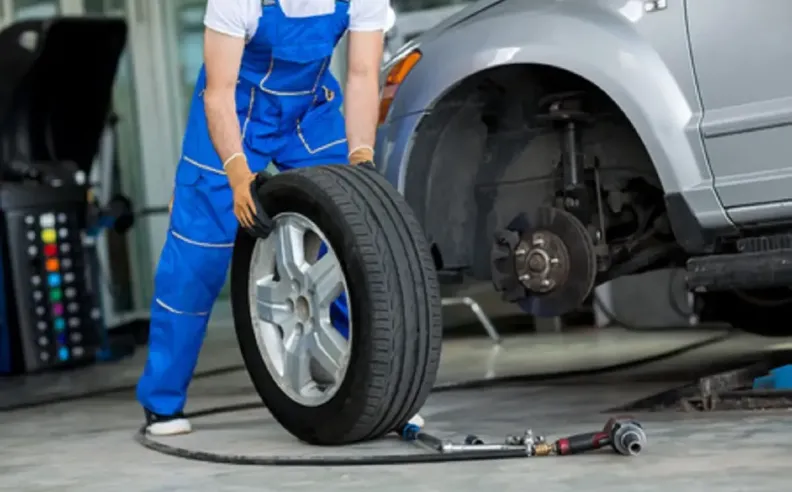
A damaged tire can quickly turn into an expensive decision. Drivers often wonder whether they really need to replace all four tires or if changing only the damaged one is enough.
In some cases, replacing a single tire is perfectly acceptable. The decision depends on the tread depth of the other tires, the drivetrain of the vehicle, and the recommendations provided by the manufacturer.

Replacing one tire is usually acceptable when the other three tires are still relatively new and retain most of their original tread depth.
The replacement tire should closely match the existing tires in size, construction, brand, tread pattern, load rating, and speed rating. Keeping these characteristics consistent helps maintain predictable handling.
On front wheel drive vehicles, tire industry recommendations generally favor placing the two tires with the deepest tread on the rear axle. This can help improve stability and reduce the risk of losing control on wet roads.
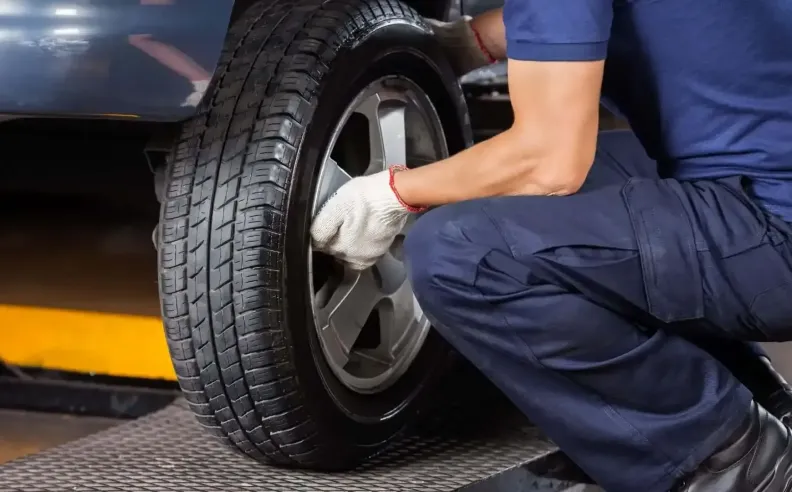
A new tire usually has a slightly larger rolling circumference than a worn tire. This means it may rotate at a different speed compared with the other wheels.
Modern safety systems monitor wheel speed constantly. ABS, traction control, and stability control may interpret a noticeable difference in rotation as wheel slip or loss of grip.
A large difference in tread depth can therefore affect how these systems respond. This is one reason matching tire wear across the same axle is important.
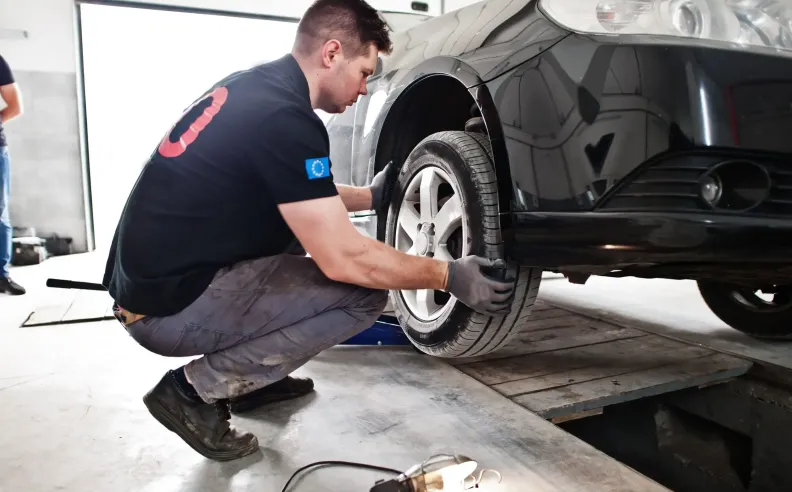
All wheel drive and full time four wheel drive systems are more sensitive to differences in tire circumference.
These systems are designed around the assumption that all four wheels are rotating at very similar speeds. Installing one brand new tire next to heavily worn tires can force the drivetrain to continuously compensate for the difference.
That extra correction can create heat and mechanical stress inside components such as the differential or transfer case. Over time, this may lead to expensive drivetrain damage.
For this reason, owners of AWD vehicles should always check the manufacturer limits for acceptable tread depth differences before replacing only one tire.
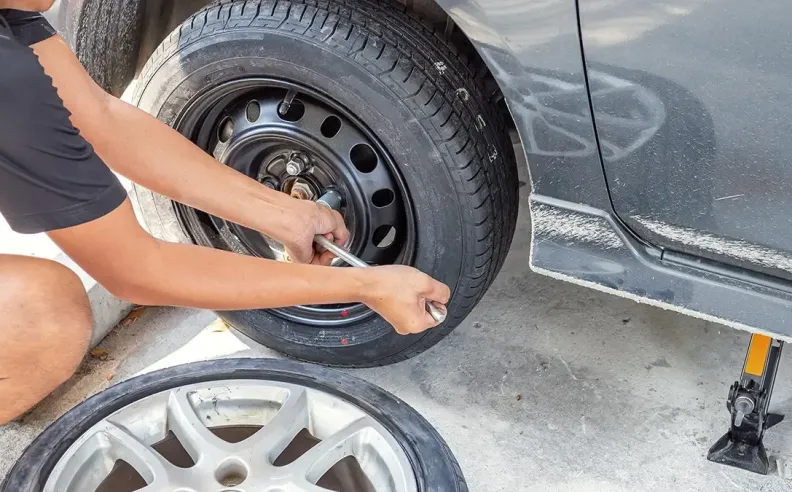
If the remaining tires are already noticeably worn, installing only one new tire is usually not the best choice.
Replacing all four tires provides the most consistent grip, rolling circumference, and overall performance. It is often the safest solution for vehicles with sensitive AWD systems.
Replacing two tires can also be reasonable in some situations. When two new tires are fitted, they are generally placed on the rear axle to improve stability.
Another option is tire shaving. A specialist can remove part of the tread from a new tire so its depth more closely matches the existing tires. This can be useful on some AWD vehicles when replacing all four tires is unnecessary.
The cheapest solution at the tire shop is not always the cheapest in the long run. A mismatch in rolling circumference may save money initially, but it can become far more expensive if it causes damage to the drivetrain.

Started my career in Automotive Journalism in 2015. Even though I'm a pharmacist, hanging around cars all the time has created a passion for the automotive industry since day 1.


 SHARE
SHARE